
Understanding Surf Fishing Essentials
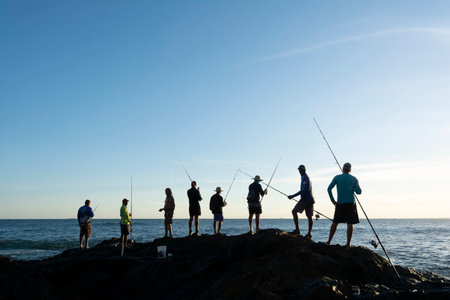
Surf fishing isn’t just casting a line from the beach—it’s about embracing the untamed elements of the American coastline. From the rocky shores of New England to the sandy stretches of the Gulf and the wild Pacific breaks, surf fishing in the U.S. offers an adventure that’s equal parts challenge and opportunity. Unlike freshwater angling or boat-based fishing, surf fishing puts you toe-to-toe with surf, wind, currents, and unpredictable weather. The saltwater environment demands gear that can handle corrosion, long casts, and battling larger, hard-fighting fish like striped bass, red drum, or snook. Add in tides, shifting sandbars, and ever-changing fish patterns, and it becomes clear—having the right rod and reel combo is essential. Understanding these unique factors is the first step toward making smart choices when gearing up for your next surfside adventure.
2. Rod Selection: Key Features for Surf Anglers
When it comes to surf fishing, the right rod can make or break your day on the water. Picking a rod specifically designed for surf casting across America’s diverse coastlines means paying close attention to several key characteristics. Here’s what you need to know to choose like a seasoned angler:
Rod Length: Reach and Control Matter
Surf rods are generally longer than standard fishing rods, typically ranging from 9 to 15 feet. The right length gives you the ability to cast beyond breaking waves and access deeper water where big fish feed. On the East Coast, anglers often favor longer rods (12-15 feet) to reach striped bass or bluefish. Out West, where beaches can be steeper and conditions more rugged, a slightly shorter rod (9-12 feet) might offer better maneuverability.
| Rod Length | Best For | Common U.S. Coasts |
|---|---|---|
| 9-11 ft | Lighter lures, closer casts, rocky areas | West Coast, Gulf Shores |
| 12-15 ft | Long-distance casting, heavy bait | East Coast, Atlantic beaches |
Action: Finding the Right Flex
The “action” of a rod refers to how much it bends under pressure and where that bend occurs. Fast-action rods bend mostly near the tip, giving you quick hook sets—ideal for targeting fast-moving predators like bluefish. Moderate or slow-action rods bend more throughout their length, providing more cushion for fighting larger species like red drum or stripers along sandy beaches.
| Action Type | Bend Location | Best Use Cases |
|---|---|---|
| Fast Action | Tip only | Quick hook sets, lighter baits |
| Moderate Action | Midsection & tip | Larger fish, heavier lures |
Material: Durability Meets Performance
Your rod’s material determines its strength and weight—crucial factors when battling the surf and whatever swims in it. Fiberglass rods are tough and forgiving, great for beginners or rough conditions. Graphite rods offer sensitivity and are lighter, giving you better feedback when a fish bites—perfect for experienced anglers who want an edge on variable American coastlines. Some high-end combos use composite materials to balance both strength and flexibility.
| Material Type | Main Advantage |
|---|---|
| Fiberglass | Toughness, affordability |
| Graphite | Sensitivity, lightweight feel |
| Composite (Graphite/Fiberglass) | Balanced performance for serious surf anglers |
The Bottom Line for U.S. Surf Anglers
Selecting the best surf rod is about matching its length, action, and material to your target species and local conditions—whether you’re casting into pounding Pacific breakers or chasing stripers off Cape Cod. Keep these features in mind as you build your perfect surf fishing setup.
3. Reel Matters: What to Look for in Your Combo
When it comes to surf fishing, your reel is just as important as your rod. The right choice can make the difference between a successful day on the beach and going home empty-handed. There are two main types of reels you’ll encounter: spinning reels and conventional (or baitcasting) reels.
Spinning Reels vs Conventional Reels
Spinning reels are by far the most popular choice for surf fishing along American coasts. They’re easy to use, handle light to heavy lines, and are less likely to tangle — perfect for beginners and seasoned anglers alike. On the other hand, conventional reels offer more power and control when casting larger baits or fighting big fish. They have a steeper learning curve but reward experienced anglers with superior performance, especially in rough surf or when targeting trophy catches.
Choosing the Right Size
The size of your reel matters for both casting distance and handling big surf species. For most surf fishing scenarios, look for spinning reels sized from 4000 up to 8000. This range gives you plenty of line capacity (usually 200+ yards) for long casts and powerful runs from fish like stripers, red drum, or bluefish. If you’re aiming for truly big game, step up to a larger reel that matches your rod’s power rating.
Features Built for Saltwater
The beach is tough on gear. Saltwater and sand can corrode metal parts fast if you’re not careful. Choose a reel with corrosion-resistant materials like stainless steel bearings, sealed drag systems, and anodized aluminum bodies. These features help keep your combo running smooth even after repeated exposure to salt spray and grit. Quick tip: always rinse your reel with fresh water after each trip to prolong its life.
The Bottom Line
Your perfect surf fishing combo needs a reel that fits your style, target species, and local conditions. Start with a solid spinning reel if you want versatility, or go conventional if you crave power and precision. Whatever you choose, make sure it’s built tough for the salt — because out here on the American coastlines, only the rugged survive.
4. Matching Your Combo to Regional Game Fish
When it comes to surf fishing in the U.S., success often hinges on matching your rod and reel combo to the local species youre targeting. Different coasts and regions feature unique fish with distinct habits, size, and fight characteristics. Choosing the right gear means less frustration and more fish in the cooler.
East Coast: Striped Bass & Bluefish
On the Atlantic side, anglers often chase after hard-fighting striped bass and aggressive bluefish. These fish can get pretty hefty and are known for their powerful runs. For these species, a longer rod (9 to 12 feet) rated for medium-heavy action provides the casting distance needed to reach deeper troughs beyond the breakers. Pair it with a spinning reel capable of holding at least 250 yards of 20-30 lb braided line. This setup gives you the backbone for heavy lures or bait rigs and enough drag to handle big surges.
West Coast: Surf Perch & Halibut
If youre working California’s sandy stretches or rocky pockets, you’ll likely be hunting surf perch or halibut. Surf perch don’t require beefy tackle; instead, opt for a lighter 8 to 10 foot rod with a fast tip for sensitivity—perfect for detecting subtle bites. Match this with a 3000-4000 series spinning reel spooled with 10-15 lb braid or mono. For halibut, bump up to a medium-action rod and a reel that holds more line, as these flatfish make determined runs when hooked.
Recommended Rod & Reel Combos by Region
| Region | Target Species | Rod Specs | Reel Size/Type | Main Line |
|---|---|---|---|---|
| East Coast | Striped Bass, Bluefish | 9-12 ft, Medium-Heavy Action | 5000-8000 Spinning | 20-30 lb Braid |
| West Coast | Surf Perch | 8-10 ft, Light-Fast Action | 3000-4000 Spinning | 10-15 lb Mono/Braid |
| West Coast | Halibut | 9-11 ft, Medium Action | 4000-6000 Spinning | 15-25 lb Mono/Braid |
| Southeast/Gulf Coast | Pompano, Redfish | 9-10 ft, Medium Action | 4000-6000 Spinning | 15-20 lb Mono/Braid |
Tactical Tip:
If you’re unsure what species are biting in your area, swing by a local bait shop or check out online fishing forums specific to your region. Locals know what works best—and having the right combo dialed in makes all the difference between just getting some fresh air and landing your personal best.
5. Durability, Portability, and Budget
When it comes to surf fishing, your rod and reel combo needs to stand up to harsh coastal conditions. Saltwater is notorious for corroding gear, so look for combos made from corrosion-resistant materials like graphite or fiberglass rods paired with stainless steel or anodized aluminum reels. These materials are popular among U.S. anglers for their long-lasting performance.
Durability: Built to Withstand the Elements
Choose a combo with reinforced guides and solid reel seats. High-quality EVA or cork handles provide grip even when wet, which is crucial when you’re casting into the surf all day. Brands that are well-regarded in the States—such as Penn, Shimano, and Okuma—often have models specifically engineered for saltwater durability.
Portability: Easy to Transport and Store
If you plan on traveling or hiking to your fishing spot, portability matters. Two-piece or telescopic rods are favorites for American anglers who need to fit their gear in the trunk of a car or check it on a flight. Just make sure the joint connections are snug and don’t sacrifice sensitivity or strength.
Budget: Finding Value Without Breaking the Bank
You don’t have to drop big bucks to get a reliable setup. There are plenty of rod and reel combos under $100 that perform well for weekend warriors. If you’re more serious about your surf fishing game, investing $150–$300 can get you premium features and longer-lasting equipment. Always weigh price against expected use—sometimes spending a little more upfront saves money in the long run by avoiding frequent replacements.
Pro Tip:
Check local tackle shops or U.S.-based outdoor retailers for seasonal deals and combo packages tailored for surf fishing. Many offer warranties or return policies that add extra peace of mind.
6. Useful Accessories and Pro Tips
Must-Have Surf Fishing Gear
Having the right rod and reel combo is only half the battle—smart anglers know that a few key accessories can make your day on the beach more productive and enjoyable. Here’s what experienced American surf anglers never leave home without:
Sand Spikes
A sturdy sand spike keeps your rod secure and your hands free while waiting for a bite. Look for heavy-duty PVC or aluminum versions that can handle strong waves and wind. Drive it deep into the sand, especially if you’re using heavier gear or fishing in rough surf.
Line Choices
The type of line you spool onto your reel matters. Braided line is popular for its strength-to-diameter ratio, allowing you to cast further and feel subtle bites. Monofilament lines offer stretch, which is helpful when fighting big fish. Many pros suggest starting with 20-30 lb braided mainline and adding a 20-40 lb fluorocarbon leader for stealth near the hook.
Lures & Terminal Tackle
Match your lures to local baitfish and target species. Classic choices include metal spoons for bluefish, soft plastics for flounder, and cut bait rigs for stripers or red drum. Don’t forget pyramid sinkers to keep your bait anchored in the surf, and bring plenty of extra hooks, swivels, and sinkers in case of snags.
Pro Tips from Experienced Surf Anglers
- Scout Your Spot: Arrive early and look for sandbars, cuts, or troughs where fish like to feed. Local knowledge is gold—don’t be shy about chatting up other anglers.
- Tide Timing: Fish tend to bite best during incoming or outgoing tides when baitfish are moving. Check tide charts before heading out.
- Pack Light but Smart: Use a waterproof tackle bag or backpack with just the essentials so you can move quickly up and down the beach.
- Rod Rinsing Routine: Always rinse your rod, reel, and all terminal tackle with fresh water after each trip to prevent saltwater corrosion.
With these accessories and tips, you’ll be set up for surf fishing success—whether you’re chasing stripers on the Atlantic coast or targeting perch along the Pacific beaches.