
Understanding Fall Fish Behavior
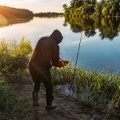
When autumn rolls around, the world outside starts to shift—and so do the fish beneath the water’s surface. As families pack up for a day at the lake or river, it’s important to realize that cooling temperatures and changing food sources have a big impact on where fish are hanging out and how they’re behaving. During fall, dropping water temperatures signal fish that it’s time to start preparing for winter. This means their feeding habits change, and they often move from their summer hangouts to new spots in search of food. For example, many species like bass and crappie become more active during cooler mornings and evenings, chasing after baitfish that are migrating toward shallower waters. Insects and other small creatures also become less abundant as the weather cools down, so fish shift their focus to whatever food is most available. Understanding these seasonal transitions is key for any angler hoping to make the most of fall fishing with their family—because knowing where the fish are moving and what they’re eating can turn an ordinary outing into a memorable adventure.
Key Fall Fishing Locations
One of the most exciting parts about fall fishing is discovering where fish like to hang out as the seasons change. During autumn, fish in American lakes and rivers start moving to new spots to find food and shelter as the water cools down. If you’re heading out with your kids or friends for a day of fishing, knowing these key locations can make all the difference between a slow day and a reel-screaming adventure!
Popular Fall Fishing Spots
Let’s explore some of the favorite gathering places for fish during fall:
| Location Type | Why Fish Gather Here | Tips for Success |
|---|---|---|
| Shallow Bays | Warmer water and lots of baitfish attract hungry predators. | Try casting near the edges in the afternoon when the sun warms the shallows. |
| Weed Lines | A great hiding place for both baitfish and larger predators. | Work your lure along the edge where weeds meet open water for best results. |
| Drop-offs | Fish use sudden depth changes to ambush prey and find stable temperatures. | Use jigs or crankbaits to reach deeper fish holding near these ledges. |
The Importance of Water Temperature
In fall, as surface temperatures drop, fish are on the move looking for comfortable zones. You’ll often find them following schools of baitfish from deep summer haunts into these transitional spots. Don’t forget to bring a portable thermometer—it’s a fun way to get kids involved by checking different areas together!
Pro Tip: Map Out Your Day
If you’re planning an outing, try marking several of these locations on a map before you go. Let your little anglers help decide which spot to try first! Rotating through shallow bays in the morning, weed lines at midday, and drop-offs in the late afternoon can keep everyone engaged and increase your chances of landing a big one.
3. Reading Water and Seasonal Cues
One of the most rewarding parts of fall fishing is learning to read the subtle signs that nature provides. As the leaves turn colors and drop, fish behavior also shifts in response to changing water temperatures and daylight hours. If you want to locate active fish during these transitional months, start by paying close attention to the water itself. Cool nights and crisp mornings often create visible thermoclines or layers in lakes, where warmer water sits on top of cooler, denser water below. Fish often gather along these temperature breaks, so look for areas where surface water feels warmer or cooler than expected.
Next, consider the impact of weather patterns. A string of sunny days can warm shallow flats, drawing baitfish—and hungry predators—into these zones. On overcast or rainy days, fish may move deeper or become more active throughout the day, rather than just at dawn or dusk. Pay attention to fronts moving through your area; sometimes a cold snap will push fish into deeper pools or trigger a feeding frenzy as they prepare for winter.
Don’t forget to watch the trees and shorelines! In many American lakes and rivers, foliage changes signal important cues. When you see vibrant reds and golds along the banks, it’s a sign that water temperatures are dropping and fish are transitioning from their summer haunts. Try casting near fallen trees, leaf piles in coves, or areas with lots of submerged vegetation—these spots offer cover and food sources for both baitfish and larger game fish.
Learning to interpret these environmental hints is a skill that grows with every trip out on the water. Bring your kids along and make a game of spotting changes together: Who can find the first patch of golden leaves? Who notices when the wind shifts or the sun hits a new angle? By tuning into these natural rhythms as a family, youll boost your fishing success while building memories in the great outdoors.
4. Choosing the Right Gear and Tackle
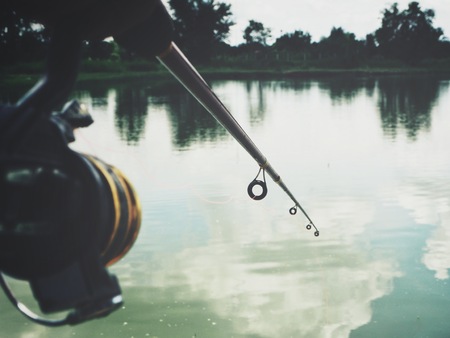
When it comes to fall fishing, picking the right gear can make all the difference between a successful day on the water and going home empty-handed. As temperatures drop and fish behavior changes, anglers across America adjust their tackle to match the season. Whether you’re heading out with your family or sharing tips with friends, here’s how to select rods, reels, lures, and baits that are proven favorites among U.S. anglers during autumn.
Tips for Selecting Fall-Appropriate Rods & Reels
In fall, fish like bass and walleye often move deeper or hang around structure as they prepare for winter. This means you’ll want gear that’s sensitive enough to feel subtle bites but sturdy enough to handle big fighters.
| Rod Type | Recommended Action/Length | Favorite Brands |
|---|---|---|
| Spinning Rod | Medium-light to Medium/6’6”-7’ | St. Croix, Ugly Stik, Fenwick |
| Baitcasting Rod | Medium-heavy/7’+ | Bass Pro Shops, Abu Garcia, Lew’s |
Lures & Baits: What Works Best in Fall?
Cooler water means slower fish—so lure selection is key! Shad imitators, crankbaits, and soft plastics are top picks because they mimic what fish naturally eat as they fatten up for winter. Below is a handy reference for popular choices among American anglers:
| Lure/Bait Type | Best For | Top Brands/Styles |
|---|---|---|
| Lipless Crankbait | Bass, Walleye | Strike King Red Eye Shad, Rapala Rattlin’ Rap |
| Soft Plastic Jerkbaits | Bass (especially around cover) | Zoom Super Fluke, Yamamoto D-Shad |
| Jigs with Craw Trailers | Bass near rocks/structure | Berkley PowerBait Chigger Craw, Strike King Bitsy Bug Jig |
| Ned Rig (finesse plastic) | Smallmouth Bass, Perch | Z-Man Finesse TRD, Googan Baits Rattlin’ Ned |
| Live Minnows/Nightcrawlers | Panfish, Walleye, Catfish (family-friendly!) | -Local Bait Shops- |
Tackle Tips from Experienced Anglers:
- Downsize Your Lures: Fish are less aggressive in colder water; smaller presentations often get more bites.
- Use Fluorocarbon Line: It’s less visible in clear fall waters and offers great sensitivity for detecting light strikes.
- Pack Versatile Gear: Conditions change quickly—carry a mix of hard baits and soft plastics so you’re ready for anything.
A Parent’s Perspective:
If you’re fishing with kids this fall, try simple setups like a spinning combo with live bait or small jigs. Not only does this boost their chances of catching something (which keeps them excited!), but it also gives you both a chance to bond over shared discoveries on the water. Remember—the right gear isn’t just about catching fish; it’s about making memories together!
5. Making It a Family Adventure
Fall fishing isn’t just about catching fish—it’s about making memories with your family and introducing kids to the magic of the outdoors during this beautiful season. Involving children in your fall fishing trips can turn an ordinary outing into a meaningful family adventure. Here are some ideas for including your kids in the experience, from gear hacks to safety tips and creative ways to encourage quality bonding time.
Kid-Friendly Gear Hacks
Start by choosing the right gear for little hands. Lightweight rods and reels designed for beginners make casting easier and less frustrating. Consider using colorful bobbers or lures that are easy for kids to see and handle. Pack extra snacks, warm drinks like hot cocoa in a thermos, and dress everyone in layers—fall mornings can be brisk, but afternoons may warm up quickly. Don’t forget cozy hats and gloves if you’re heading out early!
Prioritizing Safety
Safety is key when fishing with kids, especially during the unpredictable fall weather. Always use life jackets near water—even on shorelines—and teach kids basic water safety rules. Pack a small first aid kit for minor scrapes and check that everyone’s shoes have good traction for slippery banks or docks. Remind young anglers to be mindful of hooks and casting space, turning it into a gentle lesson about respecting nature and each other.
Turning Fishing Into Quality Bonding Time
Use your fall fishing trip as a chance to slow down and connect as a family. Let kids help with tasks like baiting hooks (with supervision), choosing fishing spots, or keeping track of the catch count. Encourage storytelling—share your own fishing tales or ask what animals they think live under the water’s surface. Bring along a journal for sketching fish or jotting down observations about changing leaves, animal tracks, or cool weather patterns. These simple activities foster curiosity and make every moment together special.
With a little planning and creativity, fall fishing can become a cherished family tradition—one where learning new skills, appreciating nature, and building lasting bonds are all part of the adventure.
6. Catch, Care, and Conservation
Best Practices for Handling Your Fall Catch
After all the excitement of finding fish during the unpredictable fall transition, it’s just as important to handle your catch responsibly. Whether you’re fishing for bass, trout, or panfish, using wet hands or rubberized nets can help protect the delicate slime coating that keeps fish healthy. If you’re practicing catch and release—a great idea when teaching kids about sustainability—be sure to minimize air exposure and gently return fish to the water. And if you’re planning to keep a few for dinner, be mindful of local size and bag limits.
Respecting Local Regulations
Every region in the U.S. has its own set of fishing regulations designed to maintain healthy fish populations and thriving waterways. Before heading out, check your state’s Department of Natural Resources website for updates on seasonal limits, bait restrictions, and special rules for certain lakes or rivers. Not only does following these guidelines show respect for the environment, but it also sets a good example for young anglers learning the ropes.
Teaching Kids About Conservation
Fall is the perfect time to turn a fishing trip into a hands-on lesson about conservation. Explain why it’s important to release smaller or out-of-season fish and how keeping our lakes clean helps everyone enjoy them longer. Encourage kids to pick up litter along the shoreline—even if it isn’t theirs—and talk about how these small actions add up over time. When children see that their efforts make a difference, they become passionate stewards of nature.
By practicing careful catch handling, respecting local laws, and weaving conservation lessons into your family’s fall fishing adventures, you’ll help ensure that this beloved tradition remains strong for generations to come.