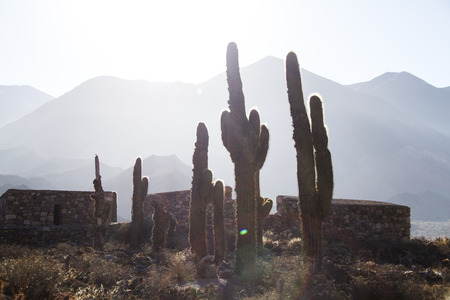

Introduction: Land of Enchantment Waters
New Mexico isn’t just about sweeping deserts and red-rock mesas—it’s a place where rugged mountains, cool pine forests, and hidden canyons carve out some of the most unique trout streams in the American Southwest. Known as the “Land of Enchantment,” this state holds a wild mix of high country gems and surprising desert waterways, making it a bucket-list destination for anglers who crave adventure off the beaten path. New Mexico’s geography is a patchwork of extremes: from the snow-capped peaks of the Sangre de Cristo Mountains to the sunbaked arroyos along the Rio Grande Valley. This natural diversity gives rise to legendary trout waters that have challenged—and rewarded—generations of fishermen. Whether you’re chasing feisty rainbows in alpine streams or stalking brown trout in sandstone canyons, New Mexico serves up an angling experience that’s as diverse as its landscape. For those willing to explore, these waters promise both solitude and surprise, inviting every adventurer to discover their own slice of enchantment.
High Country Highlights: Streams in the Sangre de Cristo and Pecos Wilderness
If you’re searching for the ultimate backcountry trout adventure, look no further than northern New Mexico’s high country. The Sangre de Cristo Mountains and Pecos Wilderness are home to some of the most pristine, cold-water streams in the Southwest, offering rugged solitude, wild trout, and jaw-dropping alpine vistas. These high-altitude gems are ideal for anglers who crave crisp mountain air, technical pocket water fishing, and a real sense of wilderness escape.
The headwaters and creeks in these regions run clear and cold year-round—perfect habitat for native Rio Grande cutthroat trout as well as brown and rainbow trout. Many of these streams require a hike to access, rewarding your effort with unpressured water and plenty of wild fish. Whether you’re casting dry flies to eager brookies or stalking larger browns in deep pools, this is classic mountain stream fishing at its best.
Top High Country Streams for Trout Fishing
| Stream | Main Species | Access Difficulty | Notable Features |
|---|---|---|---|
| Pecos River Headwaters | Browns, Rainbows | Moderate (Hiking Required) | Alpine meadows, long runs, summer hatches |
| Rio Mora | Cutthroat Trout | Difficult (Backcountry Trails) | Remote wilderness, scenic canyons |
| Holy Ghost Creek | Browns, Rainbows | Easy to Moderate | Lush forest setting, easy wading |
| Scree Creek (Pecos Wilderness) | Brook Trout | Difficult (Steep Hike-In) | Tiny pocket water, solitude guaranteed |
What Makes High Country Streams Special?
The real draw here isn’t just the fishing—it’s the whole experience. Imagine hiking through fragrant pine forests with your rod strapped to your pack, cresting a ridge to find an alpine creek tumbling over granite boulders. The only sounds are rushing water and wind in the aspens. You’ll spot elk tracks on muddy banks and maybe catch a glimpse of a golden eagle overhead. Out here, cell service disappears but your sense of adventure kicks into high gear.
Pro Tips for Backcountry Anglers:
- Pack Light: Bring only essential gear—small fly box, 3-4 wt rod, extra layers, and plenty of water.
- Weather Watch: Afternoon thunderstorms roll in fast at altitude. Start early and be prepared.
- Respect the Resource: Barbless hooks and catch-and-release practices help keep these fisheries healthy for generations.
- Bears & Wildlife: Store food properly and keep alert; black bears are common in these mountains.
If you’re willing to put in the miles—and soak up some serious mountain beauty—New Mexico’s high country streams deliver pure trout-fishing magic. This is where wild places meet wild fish, just waiting for your next cast.

3. Desert Surprises: Trout Streams in Unexpected Places
When most folks picture trout fishing, they don’t imagine the rugged canyons and sun-baked plateaus of New Mexico’s high desert. But that’s exactly where some of the state’s most surprising—and rewarding—trout streams hide. The Rio Grande Gorge, with its sheer volcanic walls and winding currents, offers anglers a shot at wild rainbow and brown trout in a setting that feels more like an old western movie than a classic mountain stream. Access can be steep and challenging, so come prepared with sturdy boots and plenty of water, but your efforts pay off with solitude and strong fish.
The Gila River: A Southwestern Gem
Farther south, the Gila River carves through wilderness that once sheltered outlaws and Apache warriors. Here, native Gila trout have made a comeback, thanks to restoration efforts and careful management. Casting into these clear pools beneath cottonwoods is about as far from mainstream trout fishing as you can get—and that’s what makes it special. Bring lightweight tackle and expect technical fishing; these trout are smart and easily spooked.
Why Fish These Hidden Streams?
These lesser-known spots aren’t just about catching fish—they’re about adventure. You’ll hike remote trails, scramble over boulders, and maybe even spot a bighorn sheep or two along the way. The scenery alone is worth the trip, but landing a wild trout in this kind of country? That’s the stuff stories are made of.
Tips for Success
If you’re heading to these desert waters, pack light but don’t skimp on essentials: sun protection, extra water, and a map or GPS are must-haves. Early morning or late evening are prime times for action—midday sun can shut down the bite fast. And remember: catch-and-release helps keep these unique fisheries thriving for future explorers.
4. Seasonal Strategies for New Mexico Trout
New Mexico’s trout fishing is as diverse as its landscapes, so timing your trips and packing the right gear are crucial. Whether you’re stalking browns in high-altitude streams or rainbows in lowland rivers, understanding the seasonal rhythms can make or break your day on the water.
Best Times of Year for Trout Fishing
| Season | Conditions | Best Streams | Tips |
|---|---|---|---|
| Spring (March–May) | Snowmelt swells streams, cool temps, active fish | Pecos River, Rio Grande, Jemez Mountains | Focus on afternoons when water warms up; pack layers for chilly mornings |
| Summer (June–August) | Warm days, cold nights at altitude, thunderstorms possible | Cimarron River, Red River, high-elevation creeks | Fish early morning or evening to avoid midday heat; watch for flash floods in monsoon season |
| Fall (September–November) | Crisp air, stable flows, hungry pre-winter trout | San Juan River tailwaters, Gila Wilderness streams | This is prime time—bring streamers for aggressive takes and dress for quick weather changes |
| Winter (December–February) | Icy mornings, open water on tailwaters only | San Juan River below Navajo Dam | Target midday when temps peak; use small nymphs and slow retrieves; wear insulated waders and gloves |
Packing for Unpredictable Weather: Mountain & Desert Essentials
- Layer Up: Fast-changing mountain weather means you’ll want moisture-wicking base layers and a waterproof shell year-round.
- Sun Protection: High-altitude sun burns fast—don’t forget polarized sunglasses, broad-brim hats, and SPF 50 sunscreen.
- Hydration: The desert dries you out quick—carry more water than you think you need, especially on remote stretches like the Gila or Pecos headwaters.
- Storm Safety: Summer thunderstorms roll in fast; always have an exit plan if lightning threatens. Avoid canyon waters during heavy rain—flash floods are no joke here.
- Tackle Adjustments: Water clarity and flow change with seasons. Bring a mix of dry flies, nymphs, and streamers to adapt to what New Mexico throws at you.
A Local’s Tip: Watch the Snowpack Reports!
If you’re heading into the high country, check snowpack levels before your trip. Heavy melt-off can turn peaceful trickles into raging torrents by late spring. Conversely, a light winter means low flows and spooky trout by mid-summer. Timing is everything—plan accordingly to maximize your time exploring New Mexico’s wildest trout streams.
5. Essential Gear & Survival Know-How
Tackle That Works in the Land of Enchantment
Trout fishing in New Mexico isn’t your average day at the river. Whether you’re stalking Rio Grande cutthroats in high-mountain streams or casting to browns in desert canyons, having the right gear is key. For rods, a 9-foot, 4- or 5-weight fly rod covers most situations, but pack a shorter 7-foot 3-weight if you plan to bushwhack tight headwaters. A durable reel with a smooth drag and a floating line will handle almost any trout scenario here.
Must-Have Fly Patterns
New Mexico’s trout aren’t especially picky, but local favorites make a difference. Stock up on Elk Hair Caddis (size 14-18), Parachute Adams (size 16-20), and Pheasant Tail Nymphs (size 14-18). In spring and summer, terrestrial patterns like hoppers and ants are killer along grassy banks. Don’t forget classic streamers—Woolly Buggers in olive or black work year-round, especially after summer rains when water gets murky.
Survival Essentials for Remote Streams
Fishing New Mexico’s wild country means being ready for anything. Always carry plenty of water—the dry air sneaks up on you fast—and toss a filter or purifier in your pack for refills. Sun protection is non-negotiable: wide-brim hat, polarized sunglasses, and SPF 50 sunscreen should be standard issue. A lightweight rain jacket is smart even if skies are clear at dawn; mountain storms build quick. Pack a basic first aid kit, an emergency whistle, and a map or GPS. Cell service is spotty at best out here.
Backcountry Know-How Pays Off
Respect New Mexico’s rugged beauty by practicing Leave No Trace principles—pack out what you pack in and avoid trampling fragile stream banks. Let someone know your plans before heading off-grid, and keep an eye on afternoon weather. Finally, brush up on your knot-tying and fish-handling skills so you’re ready when that wild native trout finally takes your fly.
6. Respect & Conservation on the Water
Exploring New Mexico’s best trout streams isn’t just about chasing trophy rainbows or wild browns—it’s about stewardship and respect for these remarkable waters. Practicing strong catch-and-release ethics is essential here. Always use barbless hooks, handle fish with wet hands, and keep them in the water as much as possible. Remember, every trout released healthy is an investment in the future of these fisheries.
Respecting Tribal Lands and Local Communities
Many of New Mexico’s most legendary trout streams flow through tribal or private lands. Always check access rules before you go, purchase required permits, and follow posted regulations. When fishing on tribal waters, treat these areas with extra respect—these lands are home to living cultures with deep connections to the rivers.
Leave No Trace on the River
Whether you’re hiking into a high-country creek or casting in a desert canyon, pack out everything you bring in. Trash, discarded line, and even microplastics can damage fragile ecosystems. Stay on established trails and avoid trampling streamside vegetation.
Preserving Unique Fisheries for Future Generations
The trout streams of New Mexico are rare gems—each one shaped by the land, climate, and culture around it. By respecting regulations, practicing ethical angling, and giving back to local conservation groups, you help ensure that future anglers will have a chance to experience these same wild waters. Do your part to protect this legacy—New Mexico’s trout depend on it.