
Understanding Fall Fish Behavior
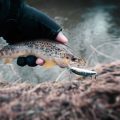
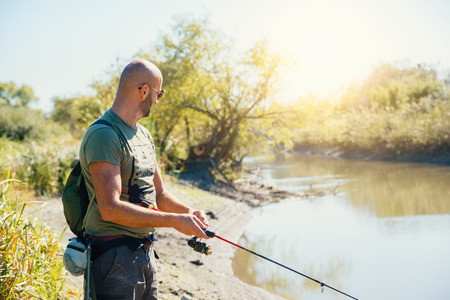
As the crisp air of fall rolls in and leaves start to turn, fish behavior shifts in response to dropping water temperatures and shorter days. During this season, fish metabolism slows down as the water cools, causing them to feed less aggressively and change their patterns. Many species begin to move from shallow waters to deeper pools or transition zones, seeking stable temperatures and oxygen levels. Recognizing these behavioral changes is key for ethical anglers, because it helps us adapt our techniques to minimize stress on fish populations. By understanding how fall’s environmental changes influence where fish are and how they bite, we can practice more responsible catch-and-release methods, avoid overfishing vulnerable spots, and support conservation efforts that keep our waterways thriving for generations to come.
Gear Choices That Minimize Harm
As the leaves turn and water temperatures drop, fall brings unique conditions that can impact both fish behavior and their vulnerability during catch-and-release. Making thoughtful gear choices is one of the most direct ways to practice ethical angling and protect local fish populations. Here’s how you can adapt your tackle box for the autumn season, ensuring every release is as gentle as possible.
Smart Hook Selection
Circle hooks are a top pick for conservation-minded anglers, especially in the fall when fish may be more sluggish and prone to deep hooking. Unlike traditional J-hooks, circle hooks are designed to slide out of the throat and catch at the corner of the mouth, making unhooking quicker and less traumatic for your catch. Barbless hooks are also highly recommended—they make it easier to release fish with minimal handling and injury.
| Type of Hook | Best For | Conservation Benefit |
|---|---|---|
| Circle Hook | Bass, Trout, Catfish | Reduces deep hooking, easy removal |
| Barbless Hook | All species | Less damage, faster release |
| Single Hook (vs Treble) | Lures for Pike, Musky, Salmon | Simplifies unhooking, less tissue injury |
Choosing the Right Line for Fall Conditions
Water clarity often increases in autumn, so lighter fluorocarbon lines can improve stealth without sacrificing strength. Opt for lines with enough pound test to land fish quickly—prolonged fights tire fish out more in cooler water and decrease post-release survival rates. Always check your line for abrasions after each catch; a weak spot can cause breakage and leave hooks behind.
Tackle Maintenance Matters
The transition into colder months means your gear can stiffen or corrode faster. Regularly inspect swivels, snaps, and split rings for rust or wear that could compromise your setup. Carrying small tools like long-nose pliers or hemostats helps you unhook fish swiftly and safely—essential when your fingers get numb on chilly mornings.
Essential Tools Checklist for Ethical Angling This Fall:
- Long-nose pliers or hemostats for quick hook removal
- Knotless rubber landing net to minimize scale loss and slime damage
- Pocket thermometer to monitor water temps (helps decide if conditions are too harsh for C&R)
- Barbless hook file or pliers to crush barbs on the go
- Small towel or gloves for wet hands—protects fish slime coat if handling is necessary
By making these simple gear upgrades and checks a part of your fall fishing routine, you’ll help ensure healthier releases and thriving waters for seasons to come.
Respectful Catch-and-Release Practices
Practicing catch-and-release is one of the most powerful ways anglers can help conserve fish populations, especially during the busy fall season. By following a step-by-step approach, you ensure that each fish you return to the water has the best chance at survival and continued thriving. Here’s how to do it right, every time you’re out on the water.
Step 1: Use the Right Gear
Start by choosing barbless hooks or pinching down the barbs yourself—this makes hook removal easier and less traumatic for fish. Pair your rod and line strength to the species you’re targeting so you can land fish quickly and minimize exhaustion.
Step 2: Land Fish Quickly and Gently
Avoid playing the fish to exhaustion; aim for a swift, steady retrieve. Use a rubber or knotless landing net to reduce scale damage. If possible, keep the fish in the water while removing the hook.
Step 3: Handle with Care
Wet your hands before touching any fish. This preserves their protective slime coat, which helps prevent infections. Avoid squeezing or placing your fingers in their gills—support their body gently under the belly if needed.
Step 4: Quick and Efficient Hook Removal
Use needle-nose pliers or a hook remover to gently back out the hook. If it’s deeply embedded, consider cutting the line as close to the hook as possible rather than causing more harm trying to remove it.
Step 5: Revival Before Release
If a fish appears tired, hold it upright in the water facing into the current or gently move it back and forth to help oxygenate its gills. Wait until it kicks away from your hands on its own power before letting go.
A Little Extra Care Goes a Long Way
This mindful, respectful approach to catch-and-release ensures that our favorite fishing spots stay healthy and productive for everyone—today, tomorrow, and for future generations of both anglers and fish alike.
4. Local Regulations and Seasonal Closures
As autumn rolls in, understanding and respecting local fishing regulations becomes even more critical for ethical anglers. Every state—and often each water body—can have its own set of rules that shift with the seasons. Ignoring these isnt just a legal risk; it can also put fish populations and delicate habitats in jeopardy.
Why Stay Updated?
Regulations are updated regularly to respond to changing environmental conditions, species health, and migration patterns. By checking the latest guidelines from your local Department of Fish & Wildlife before every trip, you help protect both fish stocks and future fishing opportunities. Many agencies now offer easy-to-use apps or online resources so there’s really no excuse not to check.
Restricted Waters and Seasonal Closures
Certain streams, lakes, or river sections may be closed during fall to protect spawning fish or rehabilitate overfished areas. Honoring these closures is vital—even if your favorite spot is off-limits for a while. This respect ensures healthy returns year after year and shows you’re part of the conservation solution.
Common Fall Restrictions (Sample Table)
| State/Region | Typical Fall Regulation | Reason for Rule |
|---|---|---|
| Pennsylvania | No fishing near salmon/trout spawning beds | Protect eggs and young fish during vulnerable stages |
| California | Barbless hooks only in certain rivers | Reduce injury to catch-and-release fish |
| Montana | Seasonal closure on select trout streams | Allow undisturbed spawning migrations |
Adjusting Your Plans for Spawning Runs
If you discover your target area is closed due to spawning runs, take it as an opportunity to explore new waters or try a different species that isn’t currently at risk. Not only does this support conservation, but it also keeps your angling adventures fresh and exciting. Ethical anglers know that sometimes the best catch is a thriving ecosystem left undisturbed.
5. Leave No Trace Along the Water
Fall fishing isn’t just about catching your limit; it’s also about being a responsible steward of the waters we love. One of the golden rules for ethical angling is to leave no trace behind. Always pack out everything you bring in, from snack wrappers and discarded line to bait containers and water bottles. Even biodegradable items like apple cores or paper towels can disrupt local ecosystems, so make sure nothing gets left behind.
Consider carrying a small trash bag or reusable container in your tackle box or backpack—this simple habit makes it easy to collect litter as you go. If you spot trash left by others, take a moment to pick it up. Not only does this keep rivers and lakes looking beautiful for everyone, but it also helps protect aquatic life from ingesting or getting tangled in debris.
Respecting wildlife habitats is just as important. Stick to established trails and access points to avoid trampling fragile vegetation along riverbanks and lake shores. Be mindful of sensitive areas where animals might be nesting or feeding, especially during the busy fall migration season. Keeping noise levels down and minimizing your impact helps ensure these habitats remain healthy for generations of fish—and anglers—to come.
6. Community and Conservation Involvement
Fall isn’t just about catching that perfect trout or enjoying the crisp air along the riverbank—it’s also a season for connecting with your local fishing community and giving back to the waters you love. One of the best ways to support conservation is by getting involved with other anglers in your area. Many local fishing clubs and organizations host meet-ups, skill-sharing sessions, and even friendly competitions in autumn, making it easy to swap stories, learn new techniques, and build lasting friendships.
Another hands-on way to contribute is by participating in river clean-up events. These gatherings are often scheduled during the fall when water levels are lower and access is easier. Grab a pair of gloves, bring a trash bag, and join fellow anglers in removing litter from banks and waterways. Not only does this keep habitats healthy for fish and wildlife, but it also ensures future generations can enjoy these beautiful places.
Supporting larger conservation initiatives can be as simple as donating to reputable organizations or volunteering your time for habitat restoration projects. Look for local chapters of groups like Trout Unlimited or state-level conservation agencies that focus on preserving fisheries and promoting responsible angling practices. Even spreading awareness through social media or at your favorite tackle shop can make a real difference.
This fall, challenge yourself to go beyond solo fishing trips—connect with others who share your passion, pitch in at a clean-up, or lend your voice to conservation efforts. Together, we can help protect the waters that make autumn angling so special.