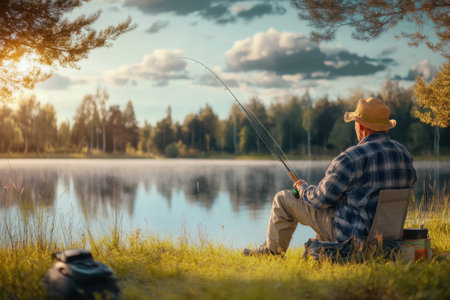

The Power of Logging: Why Every Bass Angler Should Keep a Logbook
If you’re serious about bass fishing and want to step up your game, it’s time to embrace the power of keeping a logbook. For American anglers, maintaining a detailed fishing journal isn’t just old-school—it’s a game-changer. Think of it as your personal fishing diary where every cast, catch, and condition is documented for future reference. Recording your outings helps turn random days on the water into valuable data that reveals patterns you’d otherwise miss. What should you jot down? Start with basics like date, location, weather conditions, water temperature, moon phase, bait or lure used, and what worked—or didn’t—on any given trip. Over time, these details become gold, helping you spot trends unique to your favorite lakes and rivers. From early spring prespawn action to late fall transitions, your logbook helps connect the dots so next season’s trophy bass feels more like an inevitability than a lucky break. Whether you’re chasing largemouth in Texas ponds or smallmouth in northern rivers, keeping a logbook transforms each fishing adventure into a learning experience that pays off trip after trip.
2. Getting Started: What to Include in Your Bass Fishing Log
If you’re serious about becoming a better bass angler, the first step is building a rock-solid logbook. This isn’t just a notebook for random scribbles—think of it as your personal fishing playbook that helps you spot patterns and dial in on what works in your local waters. Here’s how to get started with the essential details every American bass angler should track.
Weather Conditions
Bass are notorious for reacting to subtle changes in the weather. Make it a habit to jot down the day’s conditions—think temperature (air and water), cloud cover, wind speed, and barometric pressure. These details will help you figure out why some days are fire while others are a total bust.
Sample Weather Log Entry
| Date | Air Temp (°F) | Water Temp (°F) | Wind | Cloud Cover | Barometric Pressure |
|---|---|---|---|---|---|
| 5/12/2024 | 75 | 68 | 5 mph SW | Partly Cloudy | 29.95 inHg |
Water Conditions & Location Details
Bass behave differently in clear lakes versus muddy rivers. Record the water clarity (clear, stained, muddy), depth at your fishing spot, and any structure or cover present (like docks, submerged timber, or weed beds). Always note your location—GPS coordinates if possible or at least lake and cove names familiar to locals.
Location Log Sample
| Lake/Spot Name | Water Clarity | Depth (ft) | Main Structure/Cover | Coordinates/Description |
|---|---|---|---|---|
| Lake Fork – Mustang Creek | Muddy | 6-8 | Lily Pads & Fallen Trees | N32.8300, W95.6421 / North bank near boat ramp #2 |
Lures Used & Presentation Style
No two days are ever exactly alike on the water, but tracking which lures and techniques work can stack the odds in your favor. Write down lure type (crankbait, worm, spinnerbait), color, size, and retrieve style (“slow roll,” “yo-yo,” etc.). Over time, you’ll notice trends—like when shad-colored crankbaits crush it in the spring or green pumpkin worms shine after summer rains.
Bass Behavior & Catch Data Specific to Local Waters
This is where your local knowledge really pays off. Note how many bass you catch, their sizes, the time of day they bite best, and any unique behaviors (are they schooling? Hanging close to shade? Hitting topwater only at dusk?). Pay special attention to seasonal movements—like pre-spawn staging areas or deep summertime haunts—that are unique to your home lake or river system.
Bass Catch Record Example
| # of Bass Caught | Biggest Size (lbs) | Bite Time(s) | Bass Behavior Observed | Lure/Color That Worked Best |
|---|---|---|---|---|
| 7 | 4.2 lbs | 6:30–7:45 AM; 10:15 AM; 1:00 PM | Tight to brush piles; chasing shad schools mid-morning; aggressive surface strikes at dawn | Senkos – watermelon red flake; White buzzbait at dawn |
The Takeaway for Local Anglers:
The more detailed your logbook, the faster you’ll connect the dots between what’s happening on your favorite lake and what gets those big bass biting. Every trip—good or bad—is another page of experience that makes you a sharper, more consistent angler in America’s diverse bass waters.

3. Spotting Patterns: Reading Your Log for Success
Once you’ve started keeping a detailed logbook, the real magic begins when you sit down to review what you’ve recorded. Reading through your logs isn’t just about reminiscing on past catches; it’s about uncovering patterns that can seriously boost your bass fishing game.
Reviewing Your Logs Like a Pro
Take time every few weeks or after each trip to go back over your entries. Look at details like weather conditions, water temperature, lure choices, and even the time of day you caught fish. Don’t overlook the “strikes” and “misses” either—sometimes learning what didn’t work is just as important as celebrating your wins.
Identifying Seasonal and Situational Patterns
Bass behavior changes with the seasons, so use your notes to spot trends. Maybe you notice that early summer mornings near submerged logs tend to pay off, or perhaps fall afternoons are best with spinnerbaits in shallow coves. Pay attention to how factors like weather fronts, moon phases, or recent rain affect your results. Over time, these observations help you predict where and when bass are likely to bite.
Adapting Your Strategy Based on Experience
The goal of analyzing your logbook is to become a more adaptable angler. If you see that a certain pattern keeps repeating—like cloudy days producing more bites on dark-colored plastics—make adjustments to your future trips accordingly. Embrace the idea that bass fishing is part science and part art; blending what you observe in nature with what you’ve learned from past experiences will make every outing more productive and enjoyable.
4. From the Water to Wisdom: Learning from Each Outing
If you’re serious about becoming a better bass angler, the real magic happens when you take time after every trip to reflect—using your logbook as a guide. It’s not just about jotting down what you caught; it’s about digging into the details of each outing and turning those notes into lessons for next time. Each day on the water is an opportunity to learn, whether you absolutely crushed it or went home empty-handed. Here’s how you can use your logbook and observations to build real fishing wisdom.
Reflecting on Successes and Struggles
After each trip, ask yourself: What actually worked? Was it a certain lure color, a specific retrieval speed, or maybe fishing deeper when the sun got high? Don’t just celebrate your wins—document them. Likewise, note what didn’t pan out. Maybe that new topwater bait was a bust in choppy water, or that promising cove held nothing but bluegill. Being honest about both successes and struggles helps you see patterns over time.
Turning Notes into Actionable Insights
The value of your logbook comes alive when you look for connections between conditions, techniques, and results. To make this easier, try summarizing your outings in a simple table like this:
| Date | Weather/Water Conditions | Lure/Technique | Results | Lesson Learned |
|---|---|---|---|---|
| 4/12/24 | Sunny/65°F/Clear water | Texas rigged worm, slow retrieve | 5 largemouth bass (biggest: 3 lbs) | Bass holding tight to structure in clear weather; slow presentations work best. |
| 4/20/24 | Overcast/58°F/Murky water | Spinnerbait, fast retrieve | No bass landed | Bass less active in cooler temps; need to try slower baits next time. |
Shaping Your Growth as an Angler
This ongoing process of reflection helps you avoid repeating mistakes and encourages experimentation. Over time, you’ll notice trends unique to your local waters—maybe springtime cold fronts always throw off the bite, or perhaps bass get aggressive right before a summer storm rolls in. The more specific your notes, the more valuable your insights become.
The Power of Small Tweaks
Sometimes growth comes from small changes—a slightly different cast angle, switching up line color, or fishing at sunrise instead of noon. Use your logbook to track these tweaks. You might be surprised at how quickly tiny adjustments add up to big improvements in your catch rate.
Making Reflection a Habit
The best anglers treat every trip as both fun and educational. Whether you’re bank fishing after work or spending a full weekend on the lake, carve out five minutes at the end of each outing to update your logbook and jot down what stood out. Over time, those reflections become your own personalized bass-fishing playbook—one that keeps getting sharper with every cast.
5. Making it a Habit: Tips for Consistent Logging and Growth
Let’s be real—keeping a bass fishing logbook shouldn’t feel like homework. The trick is to weave it into your routine so it’s something you actually look forward to, not just another chore. Here’s how you can make log-keeping a breeze, keep the process fun, and stay on the path to becoming a better angler every time you hit the water.
Keep It Simple & Personal
You don’t need fancy apps or complex spreadsheets (unless that’s your jam). A basic notebook or even your phone’s notes app works just fine. Jot down what matters most to you: weather, water temp, lures, spots, and—most importantly—your gut feelings about the day. This is your fishing story, not anyone else’s.
Make Logging Part of the Adventure
Turn your logbook into part of the post-fishing ritual. Tossing back cold drinks with your buddies at the tailgate? Swap stories and fill out your logs together. Waiting for the grill to heat up? That’s prime time to jot down some quick notes about what worked and what didn’t. You’ll create memories—and habits—that stick.
Set Easy Reminders
Set a reminder on your phone or leave your logbook in your tackle box so you see it every trip. If you fish with friends or family, make it a group thing—friendly competition can keep everyone on track and add laughs along the way.
Celebrate Progress, Not Perfection
No one expects you to write a novel after every outing. Some days will be packed with details; others might just get a few bullet points. What matters is showing up and being honest with yourself about what happened on the water. Over time, those scattered notes turn into gold for your future trips.
Stay Curious & Keep Learning
If you find yourself slipping, shake things up! Try new lakes, different baits, or even switch up who you fish with—anything that makes logging feel fresh again. Remember, this journey is all about having fun and learning along the way. Every note you jot down brings you closer to landing more big bass and collecting stories worth sharing.
6. Sharing and Connecting: Building Community through Angling Records
Bass fishing in America is as much about community as it is about the thrill of the catch. Once you’ve started keeping a logbook and analyzing your patterns, sharing your experiences with others can truly accelerate your growth as an angler. Whether you join a local bass club or participate in online forums, connecting with fellow anglers opens up opportunities for learning, camaraderie, and fun competition.
Why Share Your Logbook Insights?
Your fishing records are more than just personal notes—they’re valuable pieces of knowledge that can help others avoid common mistakes and discover new techniques. When you share details like what lures worked best under certain weather conditions or which spots produced the most action, you contribute to a collective pool of wisdom that helps everyone improve. This spirit of sharing is at the heart of American bass fishing culture.
Connecting Locally: Clubs and Tournaments
Joining a local bass fishing club is one of the best ways to connect with anglers who share your passion. Many clubs encourage members to discuss their logbooks during meetings, swap stories, and exchange tips on seasonal patterns. Local tournaments also offer chances to see how other anglers approach different lakes and conditions, fostering friendly rivalry while building lasting friendships.
Online Communities: From Forums to Social Media
If you can’t meet in person, online groups and forums are fantastic places to post trip reports, share photos, and ask questions about tricky situations. Platforms like BassResource, Reddit’s r/Fishing, or even Facebook groups dedicated to regional bass fishing allow anglers from all over the country to exchange advice. You’ll quickly find that each region has its own quirks—and by reading about them, you broaden your understanding far beyond your home waters.
Paying It Forward
Remember, every seasoned angler was once a beginner. By sharing your experiences—whether it’s a day when everything went right or lessons learned from tough outings—you help strengthen the fabric of the bass fishing community. In return, you’ll gain fresh perspectives and maybe even make lifelong friends along the way.
So don’t keep those hard-earned insights to yourself. By opening up your logbook and engaging with others, you become part of a living tradition that makes American bass fishing richer for everyone involved.