
1. Getting Started: Picking the Right Spot
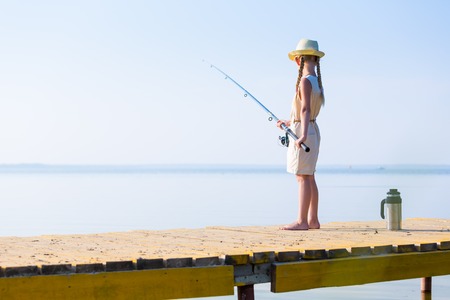
If you’re new to shore fishing and don’t have a boat, your adventure starts with finding the perfect spot. Whether you’re eyeing a local lake, a winding riverbank, or a sandy beach, location is everything when it comes to boosting your chances of landing a catch. Start by checking out parks or public access points near home—many American towns have hidden gems just waiting for you to cast your line. Look for areas where the water deepens close to shore, spots with rocks, submerged logs, or overhanging trees. These features attract fish seeking food and shelter. Don’t forget to ask local anglers or visit bait shops for insider info—they usually know where the fish are biting! Most importantly, make sure the area is safe and legal for fishing. With a little scouting, you’ll find that great fishing doesn’t require a boat—just a keen eye and some curiosity.
Essential Gear for Shore Anglers
If you’re new to shore fishing, you don’t need a fancy setup or a big investment to have a great time. Let’s break down the must-have gear for beginners so you can head out with confidence—and keep your wallet happy, too.
Basic Gear Checklist
| Gear | Why You Need It | Beginner-Friendly Tip |
|---|---|---|
| Rod & Reel Combo | All-in-one setups are affordable and easy to use. | Look for medium-action spinning combos around 6-7 feet long. |
| Tackle Box | Keeps your hooks, sinkers, and lures organized. | A small, compartmentalized box will do the trick. |
| Bait & Lures | Attracts local fish species. | Start with live bait like worms, or simple soft plastics. |
| Pliers & Line Cutter | Makes removing hooks and trimming line easy. | A multitool covers both needs efficiently. |
| Fishing License | Required in most states—even for shore fishing! | Check your state’s DNR website for details. |
Smart Extras for Comfort & Success
- Polarized Sunglasses: Cut glare and help spot fish just below the surface.
- Sunscreen & Bug Spray: Stay comfortable during those longer sessions by the water.
- Portable Chair or Bucket: Take breaks while keeping an eye on your rod tip.
- Simple Stringer or Cooler: If you plan to keep your catch fresh until you get home.
Sizing Up Your Choices
You don’t have to splurge on top-shelf gear right away. Start with budget-friendly options from local sporting goods stores or big-box retailers—these usually carry “starter kits” that bundle rods, reels, and basic tackle. As you gain experience and learn what works best in your favorite fishing spots, you can always upgrade or add specialty items later on.

3. Simple Bait and Tackle Choices
If you’re just getting your feet wet with shore fishing, you don’t need a tackle box overflowing with options. The best part about fishing from the bank is that simple baits and rigs can be surprisingly effective—and way less hassle to manage than complicated setups.
Keep It Basic: What Works Best from Shore?
Start with classic bait choices like nightcrawlers, live minnows, or corn. These are time-tested favorites for catching a variety of freshwater species found in American lakes, rivers, and ponds. If you’re unsure what to use, check in with a local bait shop; they’ll know exactly what’s biting in your area.
The Right Rig for the Job
Shore anglers often have luck with easy-to-use rigs like the slip bobber or a simple bottom rig. Slip bobbers let you adjust depth quickly, which helps if fish are hanging out at different water levels. Bottom rigs—just a hook, some split shot weights, and a sinker—are perfect for catfish, sunfish, or bass hunting closer to the lakebed.
Match Your Bait to Local Species
Take a few minutes to learn what fish call your local waters home. Bluegill love worms; largemouth bass can’t resist soft plastics or live minnows; catfish go wild for stink baits or chicken liver. Matching your bait to the species increases your odds without making things complicated.
Remember, keeping your setup simple means less time untangling lines and more time soaking up the good vibes by the water’s edge. Grab a small selection of tried-and-true baits, stick with straightforward rigs, and enjoy discovering which combinations work best at your favorite fishing spot.
4. Reading the Water: Nature’s Clues
One of the most important skills in shore fishing is learning how to read the water. The surface might look calm and even, but underneath, there’s a whole world of activity. By observing nature’s clues, you can boost your chances of hooking a catch—no boat required! Here’s how to spot those prime casting spots:
Understanding Currents and Flow
Even in lakes or ponds, gentle currents exist and often carry food toward fish. Look for spots where moving water meets still water—these “edges” are natural ambush points for fish waiting for an easy meal. In rivers or streams, focus on bends, behind rocks, or around logs where currents slow down.
Spotting Structures
Fish love structure! Natural features like submerged logs, boulders, drop-offs, weed beds, and even docks offer shelter and feeding grounds. These spots give fish a place to hide from predators and pounce on passing prey. Use the table below as a quick guide to common shoreline structures and what fish might be hanging out there:
| Structure Type | Why Fish Like It | Common Species |
|---|---|---|
| Submerged Logs & Brush | Shelter from sun and predators; ambush zone | Bass, Bluegill, Crappie |
| Weed Beds | Abundant food; oxygen-rich water | Panfish, Pike, Bass |
| Docks & Piers | Shade; attracts baitfish and insects | Bass, Catfish, Sunfish |
| Rocky Points & Drop-offs | Quick access to deep and shallow water; ideal hunting ground | Trout, Walleye, Smallmouth Bass |
Watching for Signs of Fish Activity
Keep your eyes peeled for jumping baitfish, ripples, or birds diving into the water. These signs mean there’s something exciting happening below the surface! Early morning or late evening is often when you’ll see more activity near the shore.
Naturally Picking Your Spot
Combine what you see—currents, structures, and visible activity—to decide where to cast your line. Sometimes it takes a little patience and some trial and error. But with each trip, you’ll get better at reading nature’s clues and finding those hidden hotspots along the bank.
5. Shore Fishing Etiquette and Regulations
Staying on the right side of the law—and being a good neighbor—makes shore fishing more enjoyable for everyone. Before you cast your line, make sure you have the proper fishing license for your state. In the U.S., most states require anglers over a certain age (often 16) to carry a valid fishing license, which you can usually purchase online or at local sporting goods stores. Some states even offer short-term passes if youre just trying things out.
Besides licensing, it’s important to brush up on local rules for the area where you plan to fish. These might include limits on how many fish you can keep, size restrictions, or specific seasons when certain species are off-limits. Check with your state’s fish and wildlife agency website or posted signs at popular fishing spots for up-to-date info. Ignoring these rules can result in fines—and hurt local fish populations.
When it comes to etiquette, remember that shorelines are often shared spaces. Give fellow anglers enough room so lines don’t get tangled and everyone has space to enjoy their day. If you arrive early, try not to spread your gear out too much; leave some open spots for others who may join later. Always pack out what you pack in—no one likes finding trash along their favorite riverbank.
Keep noise levels down, especially in the early morning hours when wildlife (and fellow fishers) appreciate a bit of quiet. If you’re bringing kids or dogs along, make sure they respect other people’s space too.
Finally, be friendly! A smile and a quick hello can go a long way toward building community among local anglers. If someone needs help landing a big catch or has a question about bait, sharing your knowledge adds to the fun of shore fishing for everyone.
6. Comfort and Safety by the Water
Shore fishing is all about soaking up nature and having a relaxing time, but a few smart steps can make your trip even better. First things first: protect yourself from the sun. Even on cloudy days, UV rays can sneak up on you. Bring along some SPF 30 (or higher) sunscreen, and don’t forget to reapply every couple of hours—especially if you’re sweating or spending extra time near the water’s reflective surface. A wide-brimmed hat, polarized sunglasses, and a lightweight long-sleeve shirt can help keep you cool and shielded from the sun’s rays.
Bugs and Bites: Be Ready
Mosquitoes and other bugs love the shoreline just as much as we do. Tuck some insect repellent in your tackle box or backpack—natural options like citronella or lemon eucalyptus oil work well for many anglers. If bugs are really bad where you’re fishing, consider packing a lightweight bug net to toss over your hat or shoulders.
Snacks & Hydration: Keep Energy Up
There’s nothing like a snack break with a view of the water. Pack easy-to-carry foods like trail mix, granola bars, fruit, or beef jerky, and always bring more water than you think you’ll need. Dehydration can sneak up quickly when you’re focused on your line, especially in warm weather.
Enjoyment from Start to Finish
Finally, remember that shore fishing is as much about enjoying the moment as it is about catching fish. Bring along a folding chair or a soft blanket for extra comfort. Take breaks to watch wildlife or snap photos of your catch—even if it’s just a little bluegill. Respect the area by picking up after yourself so everyone can enjoy these beautiful spots. With these tips in mind, your first shore fishing adventure will be safe, comfortable, and packed with good memories—no boat required!