
Introduction to Surf Fishing in the U.S.
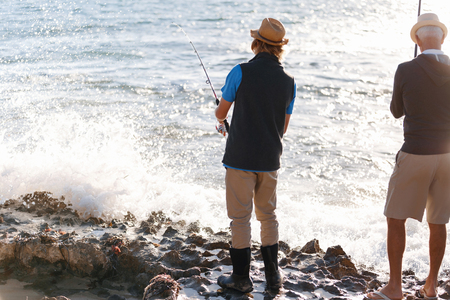
Surf fishing is a beloved pastime for anglers across the United States, offering a unique blend of excitement and relaxation along the nations vast and diverse coastlines. Whether youre casting lines into the rolling Atlantic surf of the East Coast, exploring the rugged Pacific shores of California, or soaking up the sun on the sandy Gulf beaches, each region presents its own challenges and rewards. The gear you’ll need can vary greatly depending on your location, with differences in tide patterns, target species, beach terrain, and local regulations all playing a role. From striper runs in New England to redfish hotspots in the Southeast and big surf perch action out West, understanding these regional distinctions is key to both your enjoyment and success. This essential gear checklist will help ensure you’re prepared no matter where your surf fishing adventures take you along the U.S. coastline.
2. Rod and Reel Essentials
When surf fishing along the U.S. coastline, choosing the right rod and reel is crucial for handling rough surf, casting long distances, and landing powerful coastal species. Here’s what to look for:
Key Features of Surf Rods
- Length: 9 to 12 feet is optimal for reaching beyond the breakers.
- Power: Medium-heavy to heavy power rods provide backbone for big fish and strong currents.
- Action: Fast action tips enhance sensitivity and improve hook sets on distant strikes.
- Material: Graphite rods are lightweight and sensitive, while fiberglass offers extra durability—some brands blend both materials for a balanced feel.
Popular American Surf Rod Brands & Models
| Brand | Model | Recommended Length | Main Features |
|---|---|---|---|
| Penn | Battalion II Surf | 10–12 | Lightweight graphite composite, durable guides, classic U.S. reliability |
| Daiwa (USA) | Coastal SP Surf | 96″–11 | X-Tube grip, saltwater-resistant components, great casting distance |
| St. Croix | Mojosurf | 9–12 | Premium SCII graphite, double-coated guides, made in the USA |
| Ugly Stik (Shakespeare) | Bigwater Surf | 10–12 | Tough construction, budget-friendly, iconic American brand |
Surf Reel Considerations
- Reel Size: 4000–8000 series spinning reels hold plenty of line and match most surf rods.
- Casing: Corrosion-resistant materials like aluminum or graphite handle saltwater spray.
- Drag System: Smooth, sealed drag systems help land hard-fighting fish without failure.
- Line Capacity: Look for at least 200 yards of 15-30 lb test (mono or braid) for versatility and confidence with big catches.
Top U.S.-Preferred Reel Brands & Sizes for Surf Fishing
| Brand | Model | Recommended Size Range | Main Features |
|---|---|---|---|
| Penn | Slammer IV Spinning Reel | 4500–6500 | Tough IPX6 sealed body, high-capacity spool, legendary drag strength |
| Daiwa (USA) | SALTIST Spinning Reel | 4000–8000 | Magssealed construction, saltwater toughness, smooth operation |
| Shimano (U.S.) | Saragosa SW-A | 5000–8000 | X-Protect water resistance, high drag capacity, trusted by American anglers |
Tried-and-True Pairings: Quick Tips from Local Anglers
- Penn Battalion II paired with Slammer IV (6000) is a favorite setup from New Jersey down to Florida for striped bass and redfish.
- Daiwa Coastal SP with Saltist (5000) reels are popular on the West Coast for surf perch and halibut.
Selecting quality rods and reels tailored for American surf conditions means you’ll be ready to tackle anything from Northeast stripers to Gulf Coast bull reds. Stick with proven brands and sizes above for a reliable start to your surf fishing adventure!
3. Line, Leaders, and Tackle
Choosing the right line, leaders, and tackle is crucial for surf fishing success along the U.S. coastline. Different regions demand different setups based on local fish species, wave action, and bottom structure. Here’s what you need to know to match your gear to both East and West Coast conditions:
Line Selection
For most surf fishing scenarios, braided line in the 20-40 lb range is a popular choice due to its sensitivity and casting distance. However, monofilament lines (12-30 lb test) remain favored on the East Coast for their stretch and abrasion resistance, especially when targeting species like striped bass or bluefish in rocky or weedy areas. On the West Coast, braid excels when fishing for surfperch or halibut in sandy stretches where long casts are essential.
Leaders
Fluorocarbon leaders (15-40 lb test) are recommended nationwide for their low visibility in clear water and superior abrasion resistance. If you’re targeting toothy species like bluefish on the Atlantic side or leopard sharks on the Pacific, consider using heavier mono or wire leaders to prevent bite-offs.
Rigs
The classic fish-finder rig works well from Maine to California for larger predatory fish. On the East Coast, high-low rigs with circle hooks are effective for catching multiple species such as sea trout or black drum. On the West Coast, Carolina rigs with sliding sinkers are favored for surfperch and corbina, allowing natural bait movement in the surf wash.
Tackle Recommendations
Your tackle box should include a variety of hooks (sizes 2/0–6/0), pyramid sinkers (2–5 oz) for strong currents common on both coasts, and bank sinkers for calmer days or lighter setups. Don’t forget swivels to reduce line twist, beads to protect knots, and a selection of floats if you want to suspend bait above snags.
Pro Tip
Always check local regulations regarding hook types and leader lengths, as rules can vary by state or target species. Matching your tackle to local conditions not only boosts your catch rates but ensures you’re fishing responsibly wherever your surf adventures take you.
4. Bait and Lures for American Waters
When it comes to surf fishing along the diverse coastlines of the United States, choosing the right bait and lures can make or break your day on the water. The U.S. offers a wide range of regional favorites and seasonal go-tos that local anglers swear by. Whether you’re casting from the sandy beaches of California, the rocky shores of New England, or the warm Gulf Coast waters, knowing what works best in each area is crucial for success.
Best Baits for Surf Fishing by Region
| Region | Popular Natural Bait | Go-To Artificial Lure |
|---|---|---|
| Northeast (Maine to New Jersey) | Clams, Sandworms, Mullet | Metal Spoons, Bucktail Jigs |
| Southeast (Carolinas to Florida) | Shrimp, Menhaden, Cut Mullet | Soft Plastic Jerkbaits, Topwater Plugs |
| Gulf Coast (Texas to Florida Panhandle) | Live Shrimp, Croaker, Finger Mullet | Paddle Tail Swimbaits, Gold Spoons |
| West Coast (California to Washington) | Mole Crabs (Sand Crabs), Anchovy, Squid | Grubs on Jig Heads, Kastmaster Spoons |
Seasonal Considerations
The time of year can greatly influence your bait and lure selection. For example:
- Spring: Bloodworms and clams attract striped bass in the Northeast.
- Summer: Sand crabs are a favorite for surf perch on the West Coast; cut mullet shines for redfish in the Southeast.
- Fall: Peanut bunker and mullet runs drive predatory fish close to shore—use matching baits or swimbaits.
- Winter: Shrimp remains a staple on the Gulf Coast when other bait is scarce.
Bait vs. Lure: When to Use Each
- Bait works best when fish are feeding naturally and conditions are calm or slightly rough.
- Lures excel when covering more ground or targeting aggressive feeders during active tides.
Pro Tip:
If you’re unsure about what’s biting or new to an area, visit a local tackle shop. They’re usually happy to share advice on what’s hot that week for surf fishing along their stretch of coastline.
5. Beach and Personal Safety Gear
When surf fishing along the diverse U.S. coastline, personal safety is just as important as your tackle box. The right gear keeps you comfortable, protects against harsh coastal elements, and ensures a safe fishing experience. Here are the must-have safety items every surf angler should pack before heading to the shore.
Waders: Stay Dry and Comfortable
Whether youre wading into chilly Atlantic waters or knee-deep in Pacific surf, a quality pair of waders is essential. Neoprene waders offer warmth for cooler climates, while breathable options work well in warmer southern waters. Always choose a pair with sturdy soles for traction on slippery rocks or shells.
Surf Carts: Safe and Efficient Transport
A reliable surf cart saves your back and keeps your gear organized. Look for carts with large balloon tires that glide over soft sand and have enough space for rods, bait, tackle boxes, and even a cooler. This way, you avoid unnecessary trips back to your vehicle and reduce the risk of injury from carrying heavy loads.
Sun Protection: Guard Against UV Rays
Coastal sun can be brutal—even on cloudy days. Protect yourself with broad-spectrum sunscreen (SPF 30 or higher), polarized sunglasses to reduce glare off the water, a wide-brimmed hat, and lightweight UPF-rated clothing. Staying covered means more time fishing and less risk of sunburn or long-term skin damage.
Fish Handling Tools: Safety for You and the Fish
Handling fish safely protects both you and your catch. Pack a durable pair of fishing gloves to avoid cuts from sharp fins or hooks, long-nose pliers for quick hook removal, and a dehooker tool for releasing fish with minimal stress. These tools help maintain healthy fisheries and keep your hands injury-free.
Stay Prepared for Changing Conditions
The American coastline is unpredictable—be prepared with a first aid kit, waterproof phone case, and emergency whistle. Prioritizing safety means more enjoyable days casting lines into the surf, no matter where your next adventure takes you.
6. Storage, Transport, and Organization
Transporting Your Surf Fishing Gear with American Vehicles
When it comes to surf fishing along the U.S. coastline, having the right setup for transporting your gear is crucial. Many American anglers use pickup trucks, SUVs, or crossovers with roof racks or hitch-mounted rod holders to safely carry rods without breaking them. Consider investing in a durable rod tube or case to protect your gear during travel, especially if you have long surf rods. For smaller vehicles, collapsible carts designed for beach terrain can help you easily move coolers, tackle boxes, and chairs from the parking lot to your favorite fishing spot.
Smart Organization of Tackle and Accessories
Keeping your tackle organized saves time and reduces frustration when you’re out on the sand. Use stackable tackle trays or compartmentalized boxes to separate hooks, sinkers, lures, and other small items. Label each compartment for quick access, and keep a waterproof pouch handy for essential tools like pliers and line cutters. Many U.S. anglers also use bucket organizers that fit inside standard five-gallon buckets—these are great for keeping everything accessible while doubling as a seat.
Maintaining Equipment in Top Shape
Saltwater is tough on gear, so regular cleaning is key to prolonging the life of your reels, rods, and accessories. After every trip, rinse all equipment thoroughly with fresh water to remove sand and salt residue. Dry everything before storage to prevent rust or mold buildup. Store rods vertically or horizontally in dedicated racks to avoid warping, and keep reels lightly lubricated between outings. By staying organized and maintaining your gear, you’ll be ready for action whenever the tide is right.
7. Local Regulations and Conservation
Before you hit the beach with your surf fishing gear, it’s crucial to familiarize yourself with local regulations that govern America’s diverse coastal waters. Each state—and sometimes individual counties or towns—may have their own rules regarding fishing seasons, bag limits, and legal species. Start by checking the official website of the state’s Fish & Wildlife Department or local government agencies for up-to-date information.
Understanding Fishing Licenses
Most states require a fishing license for surf fishing, even if you’re only casting from the shore. Some areas offer short-term permits for visitors, while others provide annual licenses for residents. Be sure to carry proof of your valid license whenever you fish; enforcement officers regularly patrol popular spots.
Responsible Practices for Conservation
Practicing catch-and-release when appropriate helps sustain healthy fish populations. Use circle hooks to reduce injury, handle fish gently, and quickly return them to the water if you’re not keeping your catch. Always respect size and bag limits—these are designed to protect both species and habitats for future generations.
Stay Informed and Respect Local Customs
Regulations can change based on migration patterns, weather events, or environmental concerns. Talk to local anglers, visit bait shops, or join online forums to stay informed about current conditions and community expectations. By following the rules and practicing good stewardship, you’ll help ensure that surf fishing remains a cherished American pastime along every stretch of coastline.