
1. Introduction to Trout Species in the U.S.
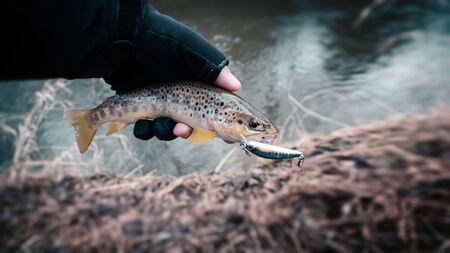
Trout are among the most iconic freshwater fish found across the United States, playing a vital role in both local ecosystems and American outdoor culture. Three species stand out for their popularity and ecological significance: rainbow trout, brook trout, and brown trout. Rainbow trout (Oncorhynchus mykiss), originally native to the Pacific drainages of North America, have been widely introduced throughout the country due to their adaptability and appeal to anglers. Brook trout (Salvelinus fontinalis), often regarded as a true native, are found primarily in cool, clear streams of the eastern U.S., where they have been an integral part of Appalachian waterways for centuries. Brown trout (Salmo trutta), in contrast, hail from Europe but were successfully introduced to North American waters in the late 1800s and have since established thriving populations coast to coast. Each species brings its own unique traits and challenges to local environments, contributing not only to biodiversity but also to recreational fishing traditions. Understanding their origins and roles within American freshwater habitats is essential for appreciating their importance and managing their populations responsibly.
Habitat Preferences and Geographic Distribution
Understanding where rainbow, brook, and brown trout thrive across the United States is essential for anglers, conservationists, and fisheries managers. Each species exhibits unique habitat preferences that shape their distribution, population health, and behavior throughout various regions.
Preferred Habitats
| Trout Species | Preferred Habitat |
|---|---|
| Rainbow Trout | Cold, clear streams and rivers; also adapt well to lakes with sufficient oxygen |
| Brook Trout | Cool, clean, well-oxygenated headwaters and small streams; sensitive to water quality changes |
| Brown Trout | Larger rivers and lakes with moderate temperatures; tolerate slightly warmer or turbid waters than the other two species |
Geographic Distribution Across the U.S.
The distribution of each trout species in the U.S. reflects a blend of native ranges and introductions for sport fishing or ecological management purposes.
| Trout Species | Native Range | Current U.S. Distribution |
|---|---|---|
| Rainbow Trout | Pacific Northwest (West Coast streams) | Widely stocked across the country; prevalent in the West, Midwest, Northeast, and even parts of the Southeast in suitable habitats |
| Brook Trout | Northeastern U.S. and Appalachian region | Mainly found in the East and Great Lakes region; isolated populations exist in higher elevations of the Rockies and Appalachians |
| Brown Trout | Not native (introduced from Europe) | Established in almost every state with coldwater fisheries; especially common in the Northeast, Midwest, and mountain West |
Factors Influencing Regional Populations
- Water temperature: All three species require cool water, but brown trout can tolerate slightly warmer conditions.
- Oxygen levels: Brook trout are especially sensitive to low oxygen and pollution.
- Habitat structure: Availability of cover like submerged logs, overhanging banks, and deep pools supports healthy populations.
- Human impact: Stocking programs, habitat restoration, agricultural runoff, urbanization, and climate change all influence where these trout thrive.
- Competition: Introduced species can sometimes outcompete natives for food and spawning sites.
Cultural Importance by Region
In places like Montana or Colorado, rainbow and brown trout anchor fly-fishing tourism. In New England, wild brook trout are treasured as symbols of pristine waters. Understanding these regional connections helps guide management efforts to maintain sustainable populations while respecting local angling traditions.
3. Life Cycle Stages
The life cycle of trout is a fascinating and complex process that highlights their adaptability and resilience in American streams, rivers, and lakes. Let’s break down each stage of development for rainbow, brook, and brown trout, noting where these species differ and what makes each unique.
Egg Stage
All three trout species begin as eggs laid in gravel nests called redds, which the females dig out in clean, oxygen-rich streambeds. Rainbow trout typically spawn in the spring, while brook and brown trout usually spawn in the fall. The eggs incubate for several weeks to months depending on water temperature—colder water prolongs development. Brook trout eggs are generally smaller than those of rainbows or browns, reflecting their adaptation to colder, often smaller headwater streams.
Fry and Alevin Stage
Once hatched, young trout are called alevins. At this point, they still carry a yolk sac for nourishment. As the yolk is absorbed, they become fry and begin to actively feed. Rainbow fry are known for their quick growth if conditions are favorable, while brook and brown fry may develop more slowly depending on habitat quality and competition.
Parr (Juvenile) Stage
As the fry grow, they enter the parr stage—distinguished by vertical markings along their sides called “parr marks.” This camouflage helps them avoid predators. During this time, rainbow trout often show rapid dispersal and adaptability to different flow regimes. Brook trout juveniles prefer cool, shaded waters with abundant cover. Brown trout parr tend to be more secretive and quickly establish territories.
Smoltification (for Rainbows)
If rainbow trout are part of anadromous populations (steelhead), some juveniles undergo smoltification—a physiological transformation that prepares them for migration from freshwater to saltwater. In contrast, brook and brown trout typically remain resident in freshwater throughout their lives in most American habitats.
Adult Stage
Mature trout exhibit distinct behaviors based on species: rainbows are often more surface-oriented feeders; brooks thrive in cooler headwaters; browns can dominate larger streams and tolerate warmer temperatures. Adults return to suitable spawning grounds to repeat the cycle—rainbow trout after one year or more, brook trout usually within two years, and brown trout sometimes taking up to three years before first spawning.
This step-by-step breakdown underscores both the shared biology among rainbow, brook, and brown trout—and the subtle differences that help each species thrive across diverse American watersheds.
4. Behavioral Patterns and Adaptations
Trout species—rainbow, brook, and brown—each display distinctive behavioral patterns and adaptations that help them thrive in diverse North American habitats. Understanding these differences is key for anglers, biologists, and conservationists aiming to support healthy trout populations.
Feeding Habits
Feeding strategies vary across the three trout species, largely shaped by their environment and food availability. While all are opportunistic feeders, their preferences and tactics show unique distinctions:
| Species | Primary Food Sources | Feeding Behavior |
|---|---|---|
| Rainbow Trout | Aquatic insects, terrestrial insects, small fish, crustaceans | Active surface feeders; often rise to hatches; aggressive strikers |
| Brook Trout | Aquatic insects, small crustaceans, occasional amphibians | Prefer slower waters; stealthy, cautious feeders; focus on drift food |
| Brown Trout | Minnows, insects, worms, even small mammals or birds | Nocturnal tendencies; ambush predators; selective and wary |
Migration Tendencies
Migration patterns also distinguish these trout species. Rainbows are known for their anadromous forms (steelhead), migrating between rivers and the ocean. Brook trout may migrate short distances in response to temperature changes or spawning needs, while brown trout migrations can vary widely based on habitat size and population pressure.
| Species | Migration Pattern | Main Triggers |
|---|---|---|
| Rainbow Trout (Steelhead) | Anadromous; river to ocean and back for spawning (in some populations) | Spawning season, water temperature, flow changes |
| Brook Trout | Largely resident; seasonal movement within streams or lakes for spawning/temperature refuge | Spawning season, thermal stress, food availability |
| Brown Trout | Variable; some populations migrate between rivers/lakes or within a stream system for spawning or food resources | Spawning season, overcrowding, resource competition |
Survival Strategies in Their Habitats
The ability of each species to survive environmental pressures hinges on specific adaptations:
- Rainbow Trout: Highly adaptable to changing conditions; thrive in both still and moving waters; rapid growth rates aid survival after disturbances.
- Brook Trout: Prefer cold, clean water with ample cover; sensitive to pollution but use camouflage against predators.
- Brown Trout: Tolerant of warmer or slightly polluted water; rely on nocturnal habits and cunning behavior to evade predation and outcompete other fish.
Together, these feeding habits, migration tendencies, and survival strategies illustrate how rainbow, brook, and brown trout have carved out specialized niches within American waterways—ensuring their continued presence amid dynamic environmental challenges.
5. Human Interaction and Conservation Efforts
Trout populations in the United States, including rainbow, brook, and brown trout, are shaped not just by natural factors but also by significant human activities.
Recreational Fishing and Its Impact
Recreational fishing has long been a cherished pastime across America’s rivers and lakes. Anglers value the challenge of catching trout for both sport and sustenance, with each species offering unique experiences. While catch-and-release practices have grown in popularity to help maintain healthy populations, overfishing and improper handling can still stress local ecosystems. State agencies often regulate seasons, size limits, and bag limits to ensure trout fisheries remain sustainable for future generations.
Hatchery Programs: Pros and Cons
To supplement wild populations and meet angler demand, hatchery programs stock millions of trout each year. These efforts support recreational fishing opportunities but are not without controversy. Hatchery-raised fish can compete with wild trout for resources, potentially spreading disease or reducing genetic diversity. However, well-managed stocking programs—especially those prioritizing native strains—can help restore habitats impacted by development or environmental change.
Conservation Initiatives
Across the country, conservation groups, government agencies, and local communities collaborate on initiatives aimed at protecting trout habitats. Projects range from restoring stream banks and removing barriers to migration to improving water quality through better land management practices. In regions where brook trout—a native species—face competition from non-native browns and rainbows, targeted efforts focus on preserving genetic integrity and suitable cold-water environments.
Balancing Recreation with Sustainability
The ongoing challenge lies in balancing America’s love of trout fishing with the need for ecological stewardship. Education campaigns encourage responsible angling practices such as proper catch-and-release techniques and respecting protected areas. Partnerships among anglers, scientists, and policymakers continue to evolve, reflecting a shared commitment to sustaining vibrant trout populations for both wildlife health and outdoor recreation enthusiasts.
6. Seasonal Changes and Their Effects
Trout are highly attuned to the seasonal rhythms of their environment, and understanding these patterns is essential for anyone interested in their life cycle and behavior. As the seasons change, factors like temperature, water flow, and food availability shift dramatically, directly impacting the survival strategies of rainbow, brook, and brown trout.
Temperature Shifts
Water temperature acts as a biological trigger for trout activity and metabolism. In spring and fall, when water temperatures are cool but stable, all three species become more active—feeding aggressively to build up energy reserves. Summer brings potential stress: warm water holds less oxygen, forcing trout to seek out cooler, deeper pools or shaded stream sections. Winters cold slows their metabolism down, reducing feeding activity and making conservation of energy a priority.
Water Flow Dynamics
Seasonal precipitation and snowmelt significantly alter river and stream flows. High spring flows from melting snow can create challenging conditions, but also open up new spawning grounds and help disperse young fish. Conversely, low summer flows can limit available habitat and concentrate fish into fewer pools—making them more vulnerable to predators but also easier to observe for anglers. Fall rains often rejuvenate streams, prompting spawning migrations in both brook and brown trout.
Food Availability Fluctuations
The abundance and type of food sources change throughout the year. Spring hatches of aquatic insects like mayflies and caddisflies provide a feast for hungry trout emerging from winter’s lean months. In summer, terrestrial insects become important in the diet as they fall into streams. By late fall and winter, insect activity wanes, so trout rely more on small fish or whatever prey is available.
Adapting to Survive
The ability of rainbow, brook, and brown trout to adapt their behavior according to these seasonal changes is a testament to their resilience. From shifting feeding patterns to seeking optimal habitats as conditions evolve, each species has developed unique responses that ensure survival through the yearly cycle. For anglers and conservationists alike, recognizing these seasonal influences is key to understanding where trout will be found—and how best to protect them for future generations.