
Introduction: The Cold Pursuit
Ice fishing holds a unique place in the hearts of many across Americas northern states, where frozen lakes become gathering spots for communities and outdoor enthusiasts each winter. More than just a pastime, ice fishing is deeply woven into local traditions, reflecting both the resourcefulness and camaraderie of those who brave the cold. From Minnesota’s vast icy expanses to Michigan’s legendary Great Lakes and North Dakota’s sprawling reservoirs, generations have embraced the sport as a way to connect with nature, family, and friends. Over time, what started as a simple, rugged pursuit—armed with basic hand augers and wooden tip-ups—has evolved into a modern sporting tradition defined by innovation and technology. This evolution mirrors broader changes in American outdoor culture, combining heritage with cutting-edge advancements to create an experience that remains both nostalgic and new.
Traditional Tools and Early Methods
Before the advent of modern ice fishing technology, anglers in America’s top ice fishing states—like Minnesota, Wisconsin, Michigan, and North Dakota—relied on a set of classic tools and time-tested strategies. The traditions of ice fishing were built around simplicity, ingenuity, and a deep understanding of local conditions. Wooden tip-ups, hand augers, and basic shelters formed the backbone of early ice fishing expeditions. These tools were not only functional but also reflected the resourcefulness of those who braved the cold for a chance at a great catch.
Classic Gear: A Comparison
| Tool | Description | Main Advantages | Common States Used |
|---|---|---|---|
| Wooden Tip-Ups | A device that sits over a hole in the ice with a flag that signals when a fish bites. | Hands-free operation; allows multiple lines; easy to construct by hand. | Minnesota, Wisconsin, Michigan |
| Hand Augers | Manual drills used to cut holes in thick ice. | No fuel required; lightweight; reliable in extreme cold. | North Dakota, Minnesota, Wisconsin |
| Early Shelters (“Fish Houses”) | Simple wooden shacks or windbreaks for protection against harsh weather. | Portable; provided essential warmth; could be built using local materials. | Minnesota, Michigan |
Strategic Approaches Shaped by Tradition
During these early days, ice anglers relied heavily on their experience and observation. Locals would often use knowledge passed down through generations to pick the safest spots on the lake and determine the best times for fishing. Group outings were common—not just for camaraderie but also for safety and efficiency. The social aspect of early ice fishing helped foster tight-knit communities across the northern Midwest.
3. Technological Turning Points: Gearing Up
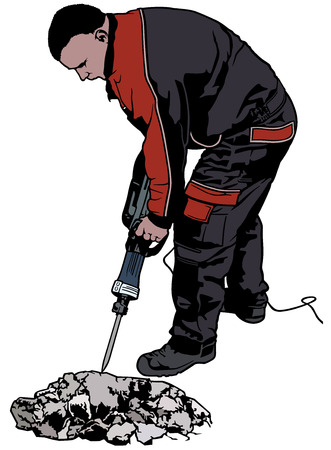
Ice fishing in America’s northern states has been shaped by a series of breakthrough innovations that have fundamentally changed the experience for anglers. In legendary ice fishing destinations like North Dakota and Michigan, the introduction of power augers marked one of the earliest game-changing moments. No longer reliant on hand-cranked drills, anglers could now bore through thick ice in seconds, conserving energy for actual fishing and extending their reach across the frozen expanse. This innovation alone drastically improved access and productivity on the ice.
Another major leap came with the development of portable ice shanties. These pop-up shelters, often made from lightweight yet durable materials, allowed fishermen to set up comfortable, insulated fishing spots anywhere on the lake. The mobility of these shelters meant anglers could chase fish hotspots as conditions changed—without sacrificing warmth or safety. Today’s models feature built-in sleds, wind-resistant fabrics, and even integrated heaters, making it possible to fish comfortably in harsh winter weather.
Advancements in tackle technology have also played a pivotal role. Modern rods and reels designed specifically for ice fishing are lighter, stronger, and more sensitive than ever before. Innovations such as ultra-thin braided lines, high-visibility bobbers, and compact sonar units give today’s ice anglers an unprecedented edge in detecting bites and tracking underwater activity. In states like North Dakota and Michigan—where the competition can be fierce during derby season—these gear upgrades have become essential for serious fishermen hoping to land trophy catches.
Together, these technological turning points have transformed ice fishing from a test of endurance into a sport that balances tradition with cutting-edge ingenuity. For many Americans braving the frozen lakes each winter, gearing up with the latest tools isn’t just about comfort—it’s about maximizing opportunity and connecting with a long-standing regional heritage.
4. Electronics on Ice: Fish Finders and Beyond
As ice fishing has evolved, so has the technology anglers use to locate fish beneath the frozen surface. In America’s top ice fishing states—such as Minnesota and Michigan—the adoption of advanced electronics has changed the game for both hobbyists and seasoned pros. The rise of sonar, GPS mapping, and underwater cameras has made popular destinations like Mille Lacs Lake and Lake St. Clair hotspots for high-tech ice angling.
Sonar: The Game Changer
Flashers and sonar units, once reserved for open-water fishing, are now standard equipment on the ice. These devices provide real-time information on fish movement, depth, and structure, allowing anglers to target specific species with unprecedented accuracy. In places like Mille Lacs, where walleye and perch are prime targets, sonar helps anglers read the water column even in low-visibility conditions.
GPS Mapping: Precision at Your Fingertips
The integration of GPS mapping into portable units means that ice anglers can now mark productive spots, track their movements, and navigate vast frozen lakes safely. This is especially critical on sprawling bodies of water like Michigan’s Lake St. Clair, where subtle changes in depth or bottom composition can mean the difference between a slow day and an unforgettable catch.
| Technology | Key Features | Popular Usage Areas |
|---|---|---|
| Sonar/Flasher | Real-time fish detection Depth measurement |
Mille Lacs (MN), Devils Lake (ND) |
| GPS Mapping | Route tracking Waypoints saving Safety navigation |
Lake St. Clair (MI), Lake Winnebago (WI) |
| Underwater Camera | Live video feed Species identification Behavior observation |
Mille Lacs (MN), Lake of the Woods (MN) |
Underwater Cameras: Seeing Is Believing
Underwater cameras have added a new dimension to ice fishing by letting anglers see what’s happening beneath their holes in real time. Not only do these devices confirm the presence of fish, but they also help identify species and observe behavior—vital data for adjusting tactics on the fly.
The Widespread Adoption Across Top States
This tech revolution is more than just a trend; it’s become an essential part of modern ice fishing culture in America’s leading states. Whether it’s tracking trophy pike in Minnesota or scouting perch schools in Michigan, electronics give anglers a decisive edge while fostering a community eager to share tips, waypoints, and digital maps. As these tools become more affordable and user-friendly, their impact will only continue to grow across America’s icy landscapes.
5. Smart Gear and Safety Advances
Today’s ice anglers in America’s premier ice fishing states are reaping the benefits of cutting-edge technology designed to boost both comfort and safety on the ice. Gone are the days when a thick coat, wool mittens, and hope were all you had against the elements. Modern cold-weather apparel now leverages advanced insulation materials—like Thinsulate and Gore-Tex—offering warmth without sacrificing mobility. These fabrics wick moisture, repel wind, and keep anglers dry and comfortable during long hours outdoors.
Thermal shelters have also transformed the ice fishing experience. Lightweight pop-up shanties featuring insulated walls and floors can be erected in minutes, providing a warm refuge from biting winds and sub-zero temperatures. Many models come with built-in seating, LED lighting, and even USB charging ports for electronic devices—luxuries unimaginable just a decade ago.
Another game-changer is the proliferation of digital apps tailored for ice fishing enthusiasts. GPS-enabled mapping tools help pinpoint hotspots, while real-time weather updates and ice thickness reports keep anglers informed about changing conditions. Some apps even offer logbooks for tracking catches or social features to connect with local fishing communities.
Perhaps most importantly, enhanced safety gear has become standard among serious ice anglers. Floatation suits and automatic ice picks can mean the difference between life and death if someone falls through thin ice. Wireless tip-up alarms, carbon monoxide detectors for heated shelters, and portable sonar devices that double as emergency signaling tools all contribute to a safer outing.
Altogether, these innovations reflect an ongoing commitment within America’s top ice fishing states to not only catch more fish—but to do so in comfort and with greater peace of mind than ever before.
6. Community, Conservation, and the Future
Ice fishing in America’s top states is more than just a solitary pursuit; it is deeply woven into the fabric of local communities. Ice fishing derbies, especially in places like Minnesota, Wisconsin, and North Dakota, serve as annual traditions that bring neighbors together and introduce newcomers to the sport. These events often double as fundraisers for local causes or wildlife conservation initiatives, reinforcing a sense of shared responsibility for the lakes and ecosystems that support this pastime.
The Role of Local Derbies
Local ice fishing tournaments have become platforms for both friendly competition and education. Organizers increasingly partner with conservation groups to promote sustainable practices—like catch-and-release policies or invasive species awareness—to ensure the longevity of regional fisheries. The integration of new technologies at these events, from digital weigh-in systems to real-time leaderboards, has made participation more accessible and engaging for all ages.
Sustainable Practices Take Center Stage
As technology evolves, so does its potential to support sustainability. Advanced sonar devices and underwater cameras now help anglers minimize bycatch and identify vulnerable habitats. Many American ice fishing communities are adopting stricter regulations on gear types and fish limits, using data collected through digital apps to monitor lake health. This synergy between tradition and innovation is driving a culture shift: responsible stewardship is becoming just as important as catching a trophy fish.
The Future: Innovation Strengthening Communities
Looking ahead, the intersection of technology and community in ice fishing promises even greater impact. Social media groups connect anglers across state lines to share tips, while crowd-sourced weather data apps help everyone stay safe on the ice. Smart shelters with built-in connectivity allow friends to gather virtually when distance or weather keeps them apart. Ultimately, the evolution of ice fishing technology is building stronger, more informed communities—ensuring that this cherished winter tradition endures for generations in America’s top ice fishing states.