
1. Understanding the Importance of Fish Revival
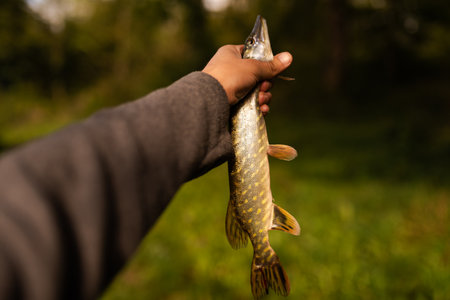
Catching and releasing fish is a common practice among anglers who want to support conservation efforts and ensure the sustainability of our favorite fisheries. However, simply releasing a fish after catching it isn’t always enough to guarantee its survival. Fish can experience significant stress during the catch, which can impact their health and chances of thriving once returned to the water. Reviving fish before release plays a crucial role in helping them recover from exhaustion, re-oxygenate, and regain their strength. This simple act not only increases individual fish survival rates but also contributes to maintaining balanced ecosystems and healthy fish populations for future generations. By understanding why reviving fish is essential, anglers become active stewards of aquatic resources, playing a vital part in preserving America’s rich fishing heritage.
Handling Fish with Care
Properly handling fish after they are caught is one of the most crucial factors in ensuring their survival upon release. Every angler should strive to minimize stress and injury during the catch-and-release process. Here are some practical tips to keep in mind when handling fish, all of which contribute to improving a fish’s chances of revival and successful return to its habitat.
Minimizing Handling Time
Limit the time fish spend out of the water as much as possible. Fish begin to experience stress almost immediately once removed from their aquatic environment, so have your tools ready before landing the fish. This preparation includes having pliers for hook removal, measuring devices, and cameras within reach if you plan to take photos.
Supporting the Fish Properly
When handling a fish, use wet hands or a soft, wet cloth to avoid damaging their protective slime layer. Always support the fish horizontally by cradling it with both hands—one hand under the belly and one near the tail. Avoid squeezing tightly or putting pressure on internal organs.
Quick Reference Table: Best Practices for Safe Handling
| Tip | Description |
|---|---|
| Wet Hands/Gloves | Prevents removal of protective slime coating, reducing risk of infection. |
| Minimal Air Exposure | Keep fish in water whenever possible; limit air exposure to under 10 seconds. |
| No Squeezing | Avoid compressing body; support gently to protect internal organs. |
| Avoid Touching Gills/Eyes | Never put fingers in gills or touch eyes; these areas are highly sensitive. |
| Use Appropriate Gear | Barbless hooks, rubber nets, and dehooking tools help reduce injury. |
Reducing Stress Factors
If possible, land fish quickly to avoid exhaustion. Extended fights can significantly diminish a fishs ability to recover after release. Additionally, always choose tackle that matches your target species and local regulations for ethical fishing practices. By following these guidelines and remaining mindful of each action you take, you’ll greatly increase the likelihood that the fish will survive and thrive after being released back into its environment.
3. Proper Techniques for Reviving Fish
Step-by-Step Guidance for Safe Handling
Reviving a fish before release is essential to give it the best chance of survival. Always handle the fish gently, keeping it in the water as much as possible to minimize stress and prevent injury. Use wet hands or rubberized nets to support the fish’s body, avoiding contact with the gills or squeezing its abdomen. Cradle the fish horizontally, providing support under both the belly and tail. This reduces strain on its spine and internal organs, which is especially important for larger species.
In-Water Revival Methods
Whenever possible, revive the fish while it remains in the water. Hold the fish upright and face it into a gentle current so that water naturally flows through its mouth and over its gills. If you’re fishing from shore or a boat without a current, gently move the fish forward and backward in the water. This movement helps circulate fresh oxygenated water across the gill membranes, which is vital for recovery after exertion.
The Importance of Oxygen Flow
Proper oxygen flow is critical during revival. Never spin or twirl the fish in circles, as this can disorient and harm them. Instead, maintain steady, straight movements that mimic their natural swimming. Observe the fish’s behavior—when it starts to kick or swim on its own, it’s usually ready to be released. Take your time; some fish may need several minutes to regain strength, especially if they were fought hard or caught from deep water.
Key Reminders
Always prioritize minimizing air exposure throughout the process, keep your hands clean and wet to protect delicate slime coatings, and avoid reviving fish in extremely warm or polluted water where oxygen levels are low. These proper techniques greatly increase post-release survival rates and help ensure healthy fisheries for years to come.
4. Timing Your Release
One of the most critical aspects of reviving fish before release is knowing exactly when the fish is ready to go back into the water. Timing your release can make all the difference between a fish that swims away strong and one that succumbs to stress or predators shortly after release. Recognizing the right moment requires close observation and understanding of the fish’s behavior and physical condition.
How to Recognize When a Fish Is Ready
There are several key indicators to look for when determining if a fish is fully revived and ready for release:
| Sign | Description |
|---|---|
| Steady Swimming | The fish can hold itself upright and swim steadily in your hands or alongside you in the water. |
| Strong Tail Movement | A revived fish will display strong, purposeful tail kicks rather than weak, listless motions. |
| Clear Eyes and Gills | The eyes should be clear, not cloudy, and gill movement should appear regular and unlabored. |
| Resistance to Handling | If the fish actively tries to swim away from your gentle grip, it’s a good sign it’s ready. |
Risks of Premature Release
Releasing a fish before it has fully recovered can have serious consequences. Fish that are still stressed or disoriented are more likely to:
- Suffer from exhaustion and die shortly after release
- Become easy prey for predators due to sluggishness or lack of awareness
- Fail to re-oxygenate their blood properly, leading to delayed mortality
Best Practice Tips:
- Take your time—don’t rush the process, even if you’re eager to get back to fishing.
- If possible, keep the fish facing into the current so fresh water flows over its gills.
- Monitor closely for at least 30 seconds after letting go; if the fish struggles, recapture gently and continue revival efforts.
Remember:
Your patience during revival can mean the difference between life and death for released fish. Always prioritize proper timing over convenience to support healthy fisheries for future generations.
5. Environmental Factors to Consider
Successfully reviving fish before release isn’t just about your handling techniques—environmental factors play a major role in whether a fish bounces back or succumbs to stress. Paying close attention to water temperature, depth, and current weather conditions can dramatically increase a fish’s chances of survival after you let it go.
Water Temperature
Warm water holds less oxygen, which makes revival much more difficult for many species. In summer, try to limit how long the fish is out of the water and avoid fishing during peak heat if possible. Conversely, in colder months, fish may be sluggish but often recover faster due to higher oxygen levels. Always use a thermometer to monitor water temperature and adjust your revival approach accordingly.
Depth Changes
If you’re fishing deep waters, rapid changes in pressure can cause barotrauma—a condition where gases expand in a fish’s body as it’s brought to the surface. Fish exhibiting symptoms like a bloated belly or bulging eyes need extra care. Consider using a descending device to help return them safely to their original depth instead of releasing them at the surface.
Weather Conditions
Weather shifts such as storms, high winds, or sudden drops in barometric pressure can stress fish and decrease their energy reserves. On windy or stormy days, minimize handling and make sure you’re reviving fish in calmer waters near the shore or boat, away from strong currents that could overwhelm them while they recover.
Adjusting Your Approach
Be Observant and Flexible
Always take a moment to assess environmental conditions before starting your revival process. If the water is unusually warm or choppy, shorten air exposure time and support the fish until it swims off strongly on its own. Use live wells or aerated containers if needed, especially when catch-and-release tournaments are involved.
6. Common Mistakes and How to Avoid Them
Even the most well-intentioned anglers can make mistakes when reviving fish before release. Being aware of these common errors and learning how to avoid them is key to improving fish survival rates and promoting sustainable fishing practices.
Mistake #1: Handling Fish with Dry Hands or Rough Surfaces
One of the most frequent errors is touching fish with dry hands or placing them on rough surfaces. This can strip away their protective slime coating, making them vulnerable to disease. Strategy: Always wet your hands and any measuring devices before handling a fish, and avoid laying fish on docks, rocks, or boat decks.
Mistake #2: Prolonged Air Exposure
Fish cannot breathe out of water, so keeping them exposed for too long can cause severe stress or even death. Strategy: Limit air exposure to less than 10 seconds whenever possible. Prepare your camera and release tools in advance to minimize handling time.
Mistake #3: Improper Reviving Techniques
Many anglers attempt to revive fish by moving them back and forth in the water, but this can actually harm some species by forcing water backward through their gills. Strategy: Hold the fish upright in the water facing into a gentle current, allowing oxygen-rich water to flow naturally through its gills.
Mistake #4: Releasing Exhausted Fish Too Soon
If a fish is released before it has regained enough strength, it may not survive. Strategy: Take time to monitor the fish’s recovery; only let go once it can swim away strongly on its own.
Mistake #5: Ignoring Water Temperature Effects
Warm water holds less oxygen, increasing stress for caught fish. Strategy: In hot weather, reduce fight times, use heavier gear for quicker landings, and consider skipping catch-and-release fishing during extreme heat waves.
Avoiding These Pitfalls
The best way to ensure successful fish revival is to stay informed and practice mindfulness every time you’re on the water. By avoiding these common mistakes and following science-backed best practices, you’ll help maintain healthy fisheries for generations to come.