
Introduction to Glacier National Park’s Waters
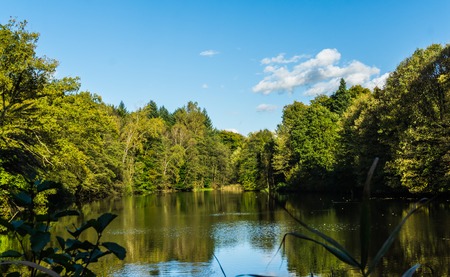
Nestled in the wild heart of Montana, Glacier National Park is a true angler’s paradise, boasting over 700 pristine lakes and more than 1,500 miles of crystal-clear rivers and streams. Each body of water within the park offers its own unique fishing environment, shaped by ancient glaciers, towering peaks, and untouched forests. From the iconic turquoise hues of Lake McDonald to the rushing waters of the Middle Fork Flathead River, every spot is steeped in breathtaking natural beauty and teeming with opportunity for unforgettable fishing adventures. Whether you’re wading into a hidden alpine lake or casting your line along a meandering riverbank, Glacier’s waters promise encounters with native trout species and stunning backdrops that make every cast feel extraordinary. In this guide, we’ll explore what makes these lakes and rivers so special for anglers—both seasoned pros and first-timers eager to experience fishing at its most scenic.
Best Seasons for Lake and River Fishing
If you’re planning a fishing trip to Glacier National Park, timing can make all the difference. The park’s alpine climate and high elevation mean that fishing conditions change dramatically throughout the year. Local anglers know that understanding these shifts is key to landing native cutthroat trout or a feisty whitefish. Here’s what you need to know about the best seasons for lake and river fishing in Glacier.
| Season | Weather Conditions | Fish Activity | Insider Tips |
|---|---|---|---|
| Spring (April–June) | Snowmelt swells rivers; water temps are cold; some lakes may still have ice cover early on. | Fish start getting active as temperatures rise; peak time for rainbow and cutthroat trout spawning runs. | Try river mouths and inlets; use nymphs or streamers during high water. Be ready for chilly mornings! |
| Summer (July–August) | Mild to warm days; lakes fully thawed; lower river flows, clearer water. | Prime time for all species—cutthroat, bull trout, whitefish. Fish are feeding heavily after spawn. | Early morning and late evening are best. Dry flies work great on rivers; try deeper spots in lakes mid-day. |
| Fall (September–October) | Crisp air, cooler nights; fall foliage peaks; unpredictable weather changes. | Bull trout become more active; fish feed aggressively before winter sets in. | Focus on deeper pools and slower runs in rivers. Streamer patterns mimic baitfish migrations. |
| Winter (November–March) | Cold and snowy; most lakes frozen over; limited access to many waters. | Fishing slows way down. Some hardy locals ice fish where permitted. | If you’re up for it, check regulations and be prepared for extreme conditions—safety first! |
No matter when you visit, keep an eye on local weather reports—mountain storms can roll in fast and water levels can change overnight. Locals swear by summer’s long daylight hours for packing in those classic Montana fish stories, but spring and fall offer solitude and a shot at trophy-sized fish if you’re willing to brave the elements. Plan your trip around these seasonal rhythms, and you’ll experience Glacier’s fishing at its very best.
3. Must-Have Gear and Local Tackle Tips
If you want to fish like a local in Glacier National Park, having the right gear can make all the difference. Whether you’re casting from the banks of Lake McDonald or wading into the Middle Fork Flathead River, packing smart sets you up for a great day on the water.
Essential Fishing Gear for Glacier’s Waters
Start with a lightweight spinning rod or a 5-6 weight fly rod—both work well for the park’s native trout and whitefish. Waders are a must for river fishing, especially if you plan on exploring chilly waters early in the season. Don’t forget polarized sunglasses to cut glare and spot fish more easily. For lake anglers, a float tube or inflatable kayak opens up those quiet corners big trout love.
Bait and Lures that Locals Swear By
In the lakes, locals often use Panther Martin spinners, Kastmasters, or simple spoon lures in silver or gold for cutthroat and rainbow trout. Soft plastic grubs on light jig heads are another go-to for both lakes and slower river stretches. If you prefer natural bait, check regulations first—but nightcrawlers (where allowed) are irresistible to many species.
Fly Fishing Favorites
For fly anglers, dry flies like Elk Hair Caddis and Parachute Adams work wonders during late summer hatches. Streamers such as Woolly Buggers or Muddler Minnows get plenty of action too, especially when fish are holding deep or chasing minnows near shorelines. In spring, nymphs like Pheasant Tails and Hare’s Ears can save slow days on the river.
Pro Tip from Local Anglers
Match your lure or fly size to local insects and baitfish—smaller is often better here! And remember: single barbless hooks keep your catch (and these wild waters) healthy for years to come.
4. Popular Fishing Spots in Glacier
If you’re looking to cast a line in Glacier National Park, you’re in for a treat. This park is loaded with fishing gems, from sparkling roadside lakes to remote streams where the only sounds are water and wildlife. Whether you want an easy afternoon on the shore or an adventurous hike to a hidden spot, there’s something here for everyone. Here’s your guide to some of the most popular fishing locations and tips on how to reach them like a local.
Easy-Access Lakes
| Lake Name | Fish Species | Access Info |
|---|---|---|
| Lake McDonald | Lake trout, cutthroat, rainbow trout | Near West Glacier entrance; boat launches and rental available |
| Swiftcurrent Lake | Rainbow trout, brook trout | Many Glacier area; walkable from parking, boat tours operate seasonally |
| Two Medicine Lake | Brook trout, rainbow trout | South side of park; easy access from visitor center parking lot |
Rivers and Streams for Adventure Seekers
If you prefer moving water and don’t mind hiking a bit for solitude, try these rivers and streams:
- Middle Fork Flathead River: Bordering the park’s southern edge, this river is known for native westslope cutthroat. Access points include Walton Ranger Station and several pullouts along Highway 2.
- St. Mary River: On the east side, this river offers clear pools with rainbow and cutthroat trout. Try the bridge area near St. Mary Campground or follow trails northward for more privacy.
- Boulder Creek: A favorite for those who don’t mind lacing up their boots—accessed via a short hike from the Bowman Lake area, this creek rewards with small but feisty fish.
Local Tips for Reaching Remote Spots
- Pitamakan Pass Trail: For high-elevation fishing (and unbeatable scenery), this trail leads past several alpine lakes teeming with cutthroat. Start early and pack light—it’s a trek!
- Kintla Lake Road: If you crave seclusion, head up this rough road to Kintla Lake or continue hiking to Upper Kintla Lake. Both offer pristine waters and a true backcountry vibe.
- Apgar Village Area: For families or beginners, stick close to Apgar Village for easy rentals and gentle shoreline casting—plus snacks nearby when the fish aren’t biting.
Pro Tip:
The best times for fishing in Glacier are early morning or late evening when fish feed most actively—and remember, many spots are best reached by foot or canoe. Always check current regulations at ranger stations before heading out, as some waters have special rules or seasonal closures.
5. Techniques for Success: Lakes vs Rivers
If you’re planning to fish in Glacier National Park, understanding the unique techniques for both lake and river fishing can make all the difference in your success—and enjoyment—out on the water. Each environment calls for a slightly different approach, so here’s a side-by-side comparison of the most effective strategies locals and visitors alike swear by.
Lakes: Patience and Precision
Fishing in Glacier’s alpine lakes is all about patience and precision. The crystal-clear waters mean fish are easily spooked, so stealth is key. Most anglers prefer using light spinning tackle or fly rods with longer leaders and smaller flies or lures that mimic native insects or small baitfish. Early morning and late evening are prime times, especially when the water is calm. Casting from shore near drop-offs or submerged logs often brings results, but a float tube or canoe can help you reach deeper spots where larger trout tend to lurk.
Rivers: Reading the Water and Adapting
River fishing in Glacier is a dynamic experience, requiring anglers to “read” the water and adapt quickly. Focus on riffles, pools, and undercut banks where fish rest out of the current. Fly fishing with dry flies, nymphs, or streamers is particularly popular here—matching your fly to the local hatch can be a game-changer. Light spinning gear with small spinners or spoons also does well in faster currents. Keep moving until you find active fish; sometimes covering more ground beats staying put.
Side-by-Side Technique Comparison
- Lakes: Slow retrieves, long casts, subtle presentations, best at dawn/dusk, use of boats or float tubes recommended.
- Rivers: Active wading, frequent casting to multiple spots, matching local insect activity (“match the hatch”), best during midday hatches or just after rain showers.
Local Tip
No matter where you’re fishing in Glacier National Park, always check current regulations and practice catch-and-release when possible—these pristine waters depend on thoughtful stewardship from every angler who visits.
6. Wildlife and Conservation Awareness
Fishing in Glacier National Park isn’t just about landing the big one—it’s also about being a good steward of this remarkable environment. The park is home to an incredible variety of wildlife, from grizzly bears to native cutthroat trout, so it’s important to remember that we’re all guests in their home.
Respecting the Park’s Wildlife
While you cast your line along the lakeshores or riversides, keep an eye out for the park’s wild residents. Always give animals plenty of space, never feed them, and store your food and bait securely—especially if you’re fishing near bear country. Binoculars are your best friend for admiring wildlife at a safe distance. Remember, observing animals in their natural habitat is part of what makes fishing here so special.
Understanding Fishing Regulations
Glacier National Park has specific fishing regulations designed to protect its unique ecosystem. Be sure to check current rules before you head out—they change seasonally and depend on which lake or river you’re fishing. For example, some areas require barbless hooks or prohibit live bait to help preserve delicate fish populations. You don’t need a state fishing license within park boundaries, but following the park’s guidelines is a must for everyone.
Protecting Native Fish Species
The park’s waters are home to native species like bull trout and westslope cutthroat trout, both of which are under threat from invasive species and habitat changes. Anglers play an important role in protecting these fish by practicing catch-and-release where required, handling fish gently, and cleaning gear thoroughly between bodies of water to prevent spreading harmful organisms. By doing your part, you help ensure Glacier’s wild waters remain healthy for generations of anglers to come.
Your Role as a Conservation-Minded Angler
Every time you fish in Glacier National Park, remember that your actions matter. Stay up-to-date with regulations, respect the park’s wildlife, and encourage fellow anglers to do the same. Together, we can enjoy unforgettable days on the water while keeping this spectacular place wild and thriving for years ahead.
7. Local Tales and Memorable Catches
Every angler who’s cast a line into Glacier National Park’s sparkling lakes and rushing rivers seems to leave with a story worth telling. Whether you’re swapping fish tales at the campground or chatting with locals at the general store, you’ll hear about legendary catches and magical moments that capture the spirit of fishing in this breathtaking wilderness.
A Surprise Under the Surface
Many anglers recall their first encounter with a native westslope cutthroat trout—Glacier’s signature species. One Montana local, Jake, describes the moment he hooked a hefty cutthroat just as the morning fog lifted off Lake McDonald: “It was like pulling a piece of gold from the water, watching those colors shimmer in the sunrise.” Stories like Jake’s remind us that sometimes, it’s not just about the size of the fish, but the memory of where and how you caught it.
The One That Didn’t Get Away
Of course, some tales revolve around “the big one.” Visitors often share memories of battling feisty rainbow trout in the Flathead River or coaxing shy brookies from hidden pools along Avalanche Creek. A family from Minnesota remembers landing their first bull trout—after hours of patience and teamwork—turning an ordinary day into a lifelong memory. These moments show that Glacier’s waters have a way of bringing people together, no matter their experience level.
Nature’s Extra Magic
Fishing in Glacier is about more than just what you reel in. Many anglers recall wildlife encounters—a curious otter slipping by, or an osprey diving for its own catch—that make each trip unforgettable. The backdrop of towering peaks, wildflower meadows, and crystal-clear waters adds to the sense of wonder. As one seasoned angler put it: “Even on days when the fish aren’t biting, Glacier gives you something to remember.”
So whether you land your personal best or simply savor the peaceful rhythm of casting beneath snow-capped mountains, remember: every fishing trip in Glacier National Park has its own story—and yours might be next.