
1. Introduction to Walleye Fishing in America
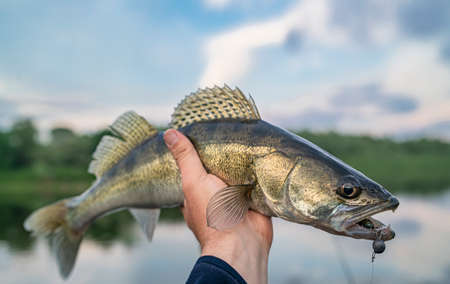
When it comes to freshwater fishing legends in the United States, few species spark as much excitement as the elusive walleye. Recognizable by their glassy, night-vision eyes and golden-olive coloring, walleyes are native to the lakes and rivers stretching across the northern U.S. and into Canada. From the Great Lakes to the winding stretches of the Mississippi River, these fish have carved out their own legacy among American anglers. For generations, chasing after walleye has been more than just a pastime—it’s become a cultural staple in states like Minnesota, Michigan, Wisconsin, and North Dakota. Whether you’re trolling on Lake Erie at dawn or ice fishing on a frozen Midwestern lake, walleye fishing isn’t just about landing dinner; it’s about tradition, camaraderie, and that electric thrill when one finally hits your line. This enduring obsession isn’t accidental—walleye offer both a challenge and a reward, making them one of America’s most sought-after gamefish year after year.
2. Historical Roots: The Emergence of Walleye Fishing
Walleye fishing in America didn’t just appear overnight—it’s a legacy that runs deep, tracing back to the original stewards of North American waters. Long before the first European settlers arrived, Native American tribes were already masters at harvesting walleye. These indigenous fisheries relied on traditional techniques like spearing, netting, and hand-lining, often coordinating harvests with seasonal migrations and spawning cycles. Walleye wasn’t just food; it was woven into spiritual and cultural traditions, serving as both a staple protein and a symbol of respect for nature’s bounty.
With the arrival of Europeans in the 17th and 18th centuries, walleye fishing began to change. Settlers brought new methods—lines and hooks made from metal, and eventually rods and reels—that gradually shifted the practice from subsistence to sport. As towns sprang up around the Great Lakes and Upper Midwest rivers, walleye became a prized catch for commercial fishermen supplying booming communities with fresh fish. In time, walleye’s reputation spread beyond local markets; it earned its place as a target for recreational anglers seeking both challenge and table fare.
Comparing Early Walleye Fishing Practices
| Era | Primary Methods | Purpose | Cultural Context |
|---|---|---|---|
| Native American | Spearing, netting, hand-lining | Subsistence & Ritual | Spiritual significance, community resource sharing |
| Early European Settlers | Hook & line, rod & reel (later) | Commercial & Subsistence | Market-driven, emerging leisure activity |
This evolution set the stage for walleye’s rise in American angling culture. By the late 19th century, fishing clubs and state agencies started managing walleye populations through stocking programs and regulations—a recognition of both their ecological value and their growing popularity among sportsmen. Today’s walleye scene is built on this foundation: a blend of hard-earned tradition, innovative tactics, and respect for one of America’s most iconic freshwater predators.
3. Regional Hotspots and the Heartland Connection
When it comes to walleye fishing, nowhere does it hit harder than in America’s Midwest and the Great Lakes region. These waters aren’t just loaded with ‘eyes—they’re the birthplace of a hardcore fishing culture that’s as much about community as it is about landing a trophy. Cities like Detroit, Cleveland, and Green Bay have built their spring calendars around the walleye run, with local bait shops buzzing and riverside parks crammed with anglers before dawn. The connection between these communities and their waters runs deep; for many locals, walleye season isn’t just a pastime—it’s a rite of passage.
The Spiritual Home of Walleye Fishing
Lake Erie, Lake Michigan, and the northern reaches of Minnesota and Wisconsin are legendary for producing monster walleyes—and for shaping the American approach to catching them. The combination of glacial lakes, sprawling river systems like the Mississippi, and cold, nutrient-rich water set the stage for some of the most productive walleye fisheries on earth. Generations of Midwesterners have learned to read these waters, passing down knowledge about current breaks, wind drifts, and the subtle art of jigging through family stories and dockside banter.
Traditions That Shaped Tactics
The tactics born in the heartland are now gospel across America’s walleye scene. From trolling crankbaits along Lake Erie’s reefs to vertical jigging in Minnesota’s frozen bays come winter, every hotspot has its own flavor—and fiercely loyal anglers who swear by their homegrown techniques. Local tournaments are serious business, with bragging rights (and sometimes serious cash) on the line. It’s here that innovations like bottom bouncers and nightcrawler harnesses were perfected—by anglers who had skin in the game and ice in their veins.
A Community Built on Water
For Midwestern towns big and small, walleye fishing is more than sport—it’s a social glue that brings folks together at fish fries, conservation meetings, and weekend derbies. Generations gather around battered aluminum boats or snow-dusted ice shacks to swap secrets and share stories over shore lunches heavy with fresh-fried fillets. Even today, the heartland connection keeps American walleye culture alive: gritty, neighborly, and proud of its roots.
4. Tournament Fever and the Rise of Sportfishing
If you want to see just how deep America’s obsession with walleye runs, look no further than the evolution of walleye tournaments. What started as friendly bragging rights among buddies on Midwestern lakes has exploded into a full-blown, high-stakes sport that pulls in hardcore anglers from every corner of the country. Back in the day, these contests were grassroots affairs—just a handful of locals, some cold beer, and a couple battered boats. But as word spread about monster catches and fat prize pools, things got serious fast.
Today, walleye tournaments are a major league deal. With national circuits like the National Walleye Tour (NWT) and the Masters Walleye Circuit (MWC), pro anglers are chasing six-figure purses, sponsorship deals, and even TV time. The gear is top-shelf—think $80,000 boats bristling with electronics—and the competition is cutthroat. Winning takes more than luck; it’s all about precision trolling, advanced sonar, weather reads, and nerves of steel when that money fish hits the net. It’s not just fishing anymore—it’s a hard-charging American pursuit where grit meets tactical know-how on open water.
Walleye Tournament Evolution Timeline
| Era | Key Changes | Impact on Anglers |
|---|---|---|
| 1970s–1980s | Local derbies, basic rules, community-driven events | Grassroots camaraderie; skill-based pride; cash prizes rare |
| 1990s–2000s | Regional circuits emerge, bigger sponsors enter scene | Bigger payouts; start of professional walleye angling careers |
| 2010s–Present | National tours, live broadcasts, advanced tech integration | High-profile pros; lucrative endorsements; massive fan engagement |
The American Angler Spirit: High Stakes & Higher Ambitions
Why does tournament fever run so hot? It’s classic Americana—the thrill of competition, the chase for glory, and the idea that anyone with enough guts and know-how can win big. Walleye tournaments have become cultural juggernauts in towns along Lake Erie, the Mississippi River, and beyond. Local economies get a boost from weigh-in parties and crowds packing waterfront bars. And for the diehard competitors? There’s nothing like the adrenaline rush at first light when you’re gunning for a record-breaking bag.
Cultural Impact Snapshot
| Tournament Element | Cultural Significance |
|---|---|
| Weigh-in Events | Community gathering; family fun; local pride on display |
| Sponsorship & Media Coverage | Puts small-town anglers in national spotlight; drives industry growth |
| Charity Tournaments | Merges love for fishing with giving back—classic American values in action |
No Quit Attitude: The Legacy Continues
The walleye tournament scene isn’t slowing down. As technology evolves and new blood enters the game, America’s passion for chasing trophy ‘eyes only grows stronger—proving once again that walleye fishing is more than just a pastime. It’s an all-American proving ground for ambition, skill, and relentless drive out on wild water.
5. Walleye in American Cuisine and Lore
Walleye isn’t just a fish you reel in for sport—it’s a centerpiece of Midwestern and Northern American culture, especially when it comes to food and storytelling. Step into any lakeside town in Minnesota or Wisconsin, and you’ll quickly see how walleye has made its way from the water straight to the dinner table.
Walleye: The Star of the Fish Fry
One of the most beloved traditions involving walleye is the classic Friday night fish fry. In states like Minnesota, Wisconsin, Michigan, and the Dakotas, local bars and supper clubs serve up golden-fried walleye as a staple. These gatherings are about more than just food—they’re weekly rituals that bring communities together, where folks swap fishing stories over plates piled high with crispy fillets, coleslaw, and fries. The taste is mild and flaky, making it a crowd-pleaser even for those who aren’t hardcore anglers.
Regional Recipes Passed Down Generations
Dig deeper into home kitchens and you’ll find walleye starring in family recipes that have been passed down for generations. Think pan-seared walleye with lemon butter, smoked walleye chowder on chilly fall nights, or even walleye tacos at summer cookouts. Local twists abound—some add wild rice crusts or coat their fillets in cornmeal for extra crunch. No matter how it’s prepared, serving walleye is a badge of honor for cooks who take pride in using fresh, local catch.
Walleye Legends and Tall Tales
The cultural significance of walleye extends beyond cuisine—it’s woven into the folklore of lake country. Every angler has a story: the one that got away, the monster caught at dawn on opening day, or the secret bait recipe only Grandpa knew. At summer festivals and ice shanty gatherings alike, walleye tales are traded as eagerly as fishing tips. These stories shape the identity of fishing towns and keep the spirit of adventure alive for new generations.
From sizzling fillets on a plate to legendary catches retold by the campfire, walleye has carved out a unique place in American cuisine and lore. It’s more than just a meal—it’s a shared experience that connects people to their local waters and each other.
6. Conservation, Challenges, and the Future
As walleye fishing continues to be a cornerstone of American angling culture, its future rests on how well we balance our passion with sustainable practices. Overfishing, habitat loss, and environmental changes have threatened walleye populations in several states. In response, conservation agencies, local communities, and dedicated anglers are teaming up to keep this tradition alive for the next generation.
Sustainable Practices on the Water
Modern American anglers are increasingly adopting catch-and-release methods, size and bag limits, and selective harvesting to help maintain healthy fish stocks. State wildlife agencies regularly monitor walleye populations and adjust regulations based on scientific research. Many lakes now feature slot limits that protect larger breeding walleyes—ensuring robust spawning cycles and long-term population stability.
Habitat Restoration and Stocking Programs
Restoration efforts are in full swing across the Midwest and Great Lakes regions. These include shoreline rehabilitation projects, dam removals to open up spawning grounds, and planting aquatic vegetation to improve nursery habitats. Where natural reproduction struggles, targeted stocking programs supplement wild populations while maintaining genetic diversity by using local brood stock.
The Role of Anglers in Conservation
American anglers play a critical role as stewards of their fisheries. Volunteer clean-up days, citizen science initiatives, and advocacy for clean water policies all contribute to healthier walleye habitats. Organizations like the Walleye Federation work alongside state agencies to promote best practices and educate new generations about responsible fishing.
Looking Ahead: Ensuring Walleye’s Legacy
The challenges facing walleye fishing are real—but so is the dedication of America’s fishing community. By combining traditional know-how with modern conservation strategies, we’re not just preserving a pastime; we’re protecting a vital part of our outdoor heritage. With continued vigilance and adaptive management, walleye fishing will remain a rite of passage—and a source of pride—for countless American families in the years to come.