
Choosing the Right Spot
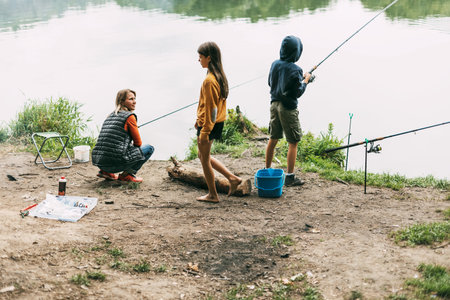
When planning your first fishing trip with kids, picking the perfect spot is half the battle. The right location sets the tone for a safe, enjoyable day on the water. Start by looking for family-friendly lakes or ponds with easy access, gentle banks, and plenty of open space for little ones to move around. Many local parks or community fishing areas in the U.S. are designed with families in mind, offering amenities like restrooms, picnic tables, and even designated “kids’ fishing zones.” Always check that swimming or boating activity won’t interfere with your plans. Before you head out, research the local fishing regulations—these can vary by state and sometimes even by county. Most states require adults to have a fishing license, but many offer exemptions or discounted rates for children. Some areas also host free fishing days when no license is required at all. Look up size and catch limits for your chosen species, and make sure you’re following any posted rules about bait or equipment. By choosing a spot that’s both safe and compliant with local laws, you’ll ensure a fun and stress-free introduction to fishing for the whole family.
Gearing Up for Success
When it comes to fishing with kids, having the right gear can make or break your adventure. The American outdoors presents unique challenges and opportunities, so it’s important to choose equipment that’s safe, easy to use, and fits your child’s size and skill level. Here’s a rundown of what you’ll need for a successful first trip:
Basic Tackle Essentials
| Item | Why It Matters | Kid-Friendly Tip |
|---|---|---|
| Spincast Rod & Reel Combo | Simple push-button design; tangle-resistant | Choose 4–5 feet in length for smaller hands |
| Pre-Tied Hooks & Bobbers | Makes setup quick and frustration-free | Bright colors are easier for kids to spot in the water |
| Small Tackle Box | Keeps gear organized and safe from spills | Let your child decorate it with stickers for fun! |
| Bait (Worms, Corn, or PowerBait) | Easy-to-use options attract a variety of fish species | Avoid sharp hooks by supervising baiting closely |
| Pliers or Hook Remover Tool | Makes unhooking fish safer and faster | Look for spring-loaded versions for little hands |
Outdoor Clothing Recommendations
Dressing appropriately is key to keeping everyone comfortable, especially in unpredictable American weather. Here are some basics:
- Layered Clothing: Start with moisture-wicking shirts and add a fleece or hoodie. Weather can change quickly near lakes and rivers.
- Wide-Brim Hat & Sunglasses: Protects eyes and skin from harsh sun. Kids’ sunglasses with UV protection are a must.
- Waterproof Boots or Shoes: Expect muddy banks and shallow wading. Closed-toe shoes protect against rocks and hooks.
- Sunscreen & Bug Spray: Choose formulas safe for kids. Apply before heading out, and reapply as needed.
- Poncho or Rain Jacket: Packable rainwear can save the day if storms roll in unexpectedly.
Packing Tips for Parents
- Snacks & Drinks: A cooler with water bottles, juice boxes, and easy snacks keeps energy up.
- Towels & Wet Wipes: For cleaning up after baiting hooks or handling fish.
- First Aid Kit: Always have Band-Aids and antiseptic wipes on hand for minor scrapes.
- Lawn Chairs or Blanket: For comfy breaks between casts.
- Pocket-Sized Field Guide: Kids love identifying their catches—pick one tailored to local fish species.
The Bottom Line: Keep It Simple and Fun!
Your goal is to set your young anglers up for success without overwhelming them. With basic tackle, comfortable clothing, and a little preparation, you’re ready to hit America’s lakes, rivers, or ponds—and make memories that will last long after the last cast of the day.
3. Teaching the Basics
Introducing kids to fishing starts with the fundamentals, and a little hands-on guidance goes a long way in building their confidence. Start by showing them the essential parts of the rod and reel, explaining what each piece does in simple terms. Give them time to hold the gear themselves—kids learn best by doing! Walk them through the basics of casting, reeling in, and baiting the hook, using slow, patient demonstrations. Safety is key: make sure your young anglers know to always look behind before casting and never run with hooks or sharp tools. Remind them to keep a safe distance from the water’s edge unless an adult is right there with them. Setting clear rules—like wearing a life jacket and listening for instructions—helps everyone relax and have fun. Turn each new skill into a mini-adventure: challenge them to practice untangling lines or spotting fish habitats along the shore. By mixing simple explanations with hands-on activities and safety talks, you’ll help your kids feel confident on their first fishing trip—and set the stage for many more family outings.
4. Keeping Kids Engaged
Fishing with kids isn’t just about catching fish—it’s about creating memories and keeping the adventure fun, especially during those slow bites. When the action on the water slows down, boredom can set in quickly for young anglers. Here are some tried-and-true American family strategies to keep your kids engaged and happy throughout the trip.
Make Waiting Time Fun: Games and Challenges
Turn downtime into playtime! Classic car games like “I Spy” or “20 Questions” can easily be adapted for the shoreline or boat. You can also create fishing-themed challenges, such as who can spot the most types of birds or who can tie a simple knot the fastest. Consider bringing a deck of waterproof playing cards or inventing mini scavenger hunts using items around your fishing spot.
Popular Fishing Trip Games
| Game Name | How to Play | Why Kids Love It |
|---|---|---|
| I Spy (Nature Edition) | Take turns spotting things in nature for others to guess | Keeps eyes sharp and minds active |
| Casting Contest | See who can cast closest to a floating target (like a leaf) | Makes learning to cast fun and competitive |
| Bug Hunt | Find different insects around the fishing area | Turns waiting into an outdoor adventure |
Snack Time is Happy Time
No one likes a hangry fisherman—especially kids! Pack a variety of easy-to-eat snacks that won’t get messy or spoil out in the sun. Think trail mix, string cheese, cut-up fruit, crackers, and granola bars. Hydration is key too, so bring plenty of water or juice boxes. You can even make snack time part of the fun by letting kids “fish” for their snacks from a cooler with a toy rod or grab-bag style.
Kid-Friendly Snack Ideas for Fishing Trips
| Snack Type | Description | Why It Works Outdoors |
|---|---|---|
| Trail Mix Packs | Nuts, dried fruit, chocolate pieces mixed together in baggies | Non-perishable, energy-boosting, easy to share |
| Squeezable Yogurt Tubes | Chilled tubes that don’t require spoons or bowls | No mess, refreshing on warm days, kid-approved flavors |
| Bite-size Sandwiches | Pretzel rolls or cut-up PB&J sandwiches in small pieces | Easy to handle with little hands; satisfying and filling |
Get Creative with Learning Moments
If you hit a lull in the action, use it as an opportunity to teach kids about nature. Show them how to identify fish species, explain catch-and-release practices, or talk about water safety and conservation. Kids love hands-on experiences—let them help with baiting hooks (with supervision) or practice knot-tying with ropes on dry land. These moments turn waiting into valuable lessons and build skills they’ll remember long after your trip is over.
Respecting Nature and Local Laws
Introducing kids to fishing isn’t just about catching their first fish—it’s also about teaching them to become responsible outdoor stewards. As you prepare for your family fishing trip, its important to talk with your kids about the significance of conservation and following local regulations. Not only does this help protect our waters and wildlife, but it also ensures that future generations can enjoy fishing, too.
The Importance of Conservation
Start by explaining why conservation matters. Healthy fish populations and clean waterways are essential for a great fishing experience. Teach your kids to avoid littering, pick up any trash they see (even if it’s not theirs), and leave every spot better than they found it. Explain how pollution and careless behavior can harm fish habitats and other wildlife.
Catch-and-Release Basics
If you’re not planning on keeping the fish you catch, show your kids how to release them safely. Use barbless hooks or pinch down the barbs to make removal easier. Wet your hands before handling fish to protect their slime coating, which keeps them healthy. Gently return the fish to the water as quickly as possible, supporting it until it swims away on its own. Practicing proper catch-and-release helps preserve fish populations in your favorite spots.
Respecting Public Lands and Local Laws
Remind your family that public lands are shared by everyone, so its important to be courteous and respectful of other anglers and visitors. Always follow posted rules, including size limits, bag limits, and seasonal restrictions—these laws are there to keep fisheries sustainable for years to come. Before heading out, check local regulations with your state’s Fish & Wildlife Department or park service. Teaching kids these principles now sets them up for a lifetime of ethical outdoor adventures.
6. Making Memories Last
After your first fishing trip with the kids, keeping those memories alive is just as important as catching that first fish. There are plenty of fun and meaningful ways to capture the day, so everyone can look back and remember how special it was. Here are some all-American ideas for preserving your family’s adventure.
Take Plenty of Photos
Don’t be shy about snapping pictures—action shots of casting lines, candid moments of laughter, and, of course, the proud “first catch” pose. Even if you’re not a pro photographer, smartphones make it easy to document every milestone. Consider taking a group selfie at the start and end of your trip to show the excitement and satisfaction on everyone’s faces.
Create a Fishing Journal
A simple notebook can become a treasured keepsake. After each trip, encourage everyone (even the little ones) to jot down what they caught, funny things that happened, or new skills they learned. Over time, this journal will grow into a family storybook full of adventure and growth.
Try DIY Crafts
Bring home a few non-living mementos like unique rocks or feathers found by the water (always check local regulations). Use these to create a shadow box or decorate picture frames for your fishing photos. These hands-on projects give kids another way to relive their adventure.
Share Stories Together
On the drive home or around the dinner table later, let everyone share their favorite parts of the day. This helps build anticipation for future trips and lets kids feel proud of what they’ve accomplished.
Build Traditions
Whether it’s stopping for ice cream after fishing or always wearing your lucky hats, small traditions help make each trip memorable. These rituals turn an ordinary outing into something your kids will look forward to year after year.
No matter how you choose to capture your first fishing trip together, making the effort shows your kids that these moments matter. Years from now, when you look back at photos or flip through your family fishing journal, you’ll all be glad you took the time to make those memories last.