
1. Understanding Your Panfish Targets
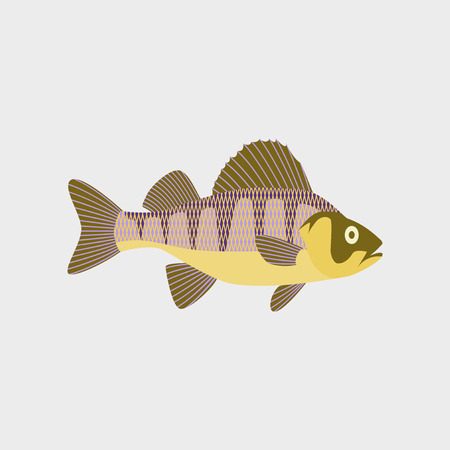
If you’re gearing up for a classic American ice fishing adventure, panfish like crappie, bluegill, and perch are likely topping your list. These fish might be small in size, but they pack plenty of action beneath the ice. Each species has its own quirks and favorite haunts, making the chase as fun as the catch itself. Crappies tend to school in deeper basins once winter hits—look for them suspended off the bottom, often around submerged brush or weed edges. Bluegills, on the other hand, love shallower waters with plenty of cover, such as weeds or sunken logs; theyre curious and readily bite on tiny jigs and plastics. Perch are notorious for roaming in packs across flats and drop-offs, especially where there’s a mix of sand and gravel. What makes panfish so appealing to ice anglers across the U.S.? They’re accessible, abundant, and offer fast-paced fishing that’s perfect for both seasoned pros and families looking to introduce kids to the sport. Plus, there’s nothing quite like a fresh pan of fried fillets after a cold day on the lake! By understanding where these fish hang out and what makes each one tick under the ice, you’ll be well on your way to a more successful—and memorable—season.
2. Gearing Up: Essential Tackle and Tech
If you want to up your ice fishing game for panfish like crappie, bluegill, and perch, it all starts with having the right gear. Whether you’re a laid-back weekend angler or aiming to fill your bucket with slabs, getting dialed in on your tackle—and embracing some modern tech—will make your time on the ice more productive and a whole lot more fun.
Rods, Reels, and Lines: Building Your Setup
Panfish are notorious nibblers, so sensitivity is key. Go for a light or ultralight rod, typically between 24–30 inches. Pair it with a smooth-spinning reel that can handle cold temps without freezing up. For line, 2–4 lb test monofilament is standard, but some prefer braided lines for extra sensitivity—just add a fluorocarbon leader to keep things stealthy.
| Component | Recommended Type/Specs | Why It Matters |
|---|---|---|
| Rod | Ultralight/Light, 24-30” | Sensitivity for subtle bites; easy handling in shelters |
| Reel | Small spinning reel (1000 size) | Smooth drag; resists freezing |
| Line | 2-4 lb monofilament or braid with fluoro leader | Stealth and sensitivity; low memory in cold |
Lures and Baits: Match the Mood
Tiny jigs tipped with waxworms or plastics are go-to choices for most panfish through the ice. Tungsten jigs get down fast and transmit even the lightest tick from a curious crappie or perch. Don’t be afraid to experiment with colors—hot pinks, chartreuse, and natural tones all have their days. Small spoons and blade baits can call fish in from farther away when visibility drops.
Top Panfish Lure Choices for Ice Fishing
| Lure Type | Best For | Tip/Technique |
|---|---|---|
| Tungsten Jig + Waxworm/Plastic | Bluegill & Crappie | Pound bottom gently; pause frequently |
| Minnow Head Spoon | Perch & Crappie | Jig aggressively to attract then slow down for bites |
| Micro Blade Bait | All Panfish (when fish are aggressive) | Short lifts near structure or weed edges |
The Tech Edge: Flashers and Underwater Cameras
If you really want to see what’s happening beneath the ice, consider adding electronics to your arsenal. Flashers help you pinpoint fish depth and track your lure in real-time—a total game changer on tough days. Underwater cameras let you watch fish behavior up close (and provide endless entertainment between bites). Both options not only improve your odds but also add a dose of excitement as you watch panfish react to your presentation.
Popular Ice Fishing Electronics at a Glance:
| Device Type | Main Benefit |
|---|---|
| Flasher Sonar Unit | Real-time depth & fish location info; tracks lure/fish interaction |
| Underwater Camera | Visual confirmation of species & activity; fun for kids & adults alike! |
| Digital Depth Finder Combo Units | All-in-one versatility; mapping features included on some models |
No matter if you stick to old-school basics or geek out with high-tech gadgets, tailoring your setup is half the fun of chasing panfish on hardwater. Next time you pack your sled, give your tackle box a once-over—you might just discover a new favorite trick for coaxing those finicky bluegills and slab crappies up through the ice.
3. Locating Fish: Reading the Ice Like a Local
Finding panfish under the ice isn’t just luck—it’s about reading the lake and understanding what makes fish tick in winter. First, talk to locals or check out community boards for recent hot spots; nothing beats real-time info from anglers who know these waters like their backyard. But once you’re on the lake, look for classic panfish structures: weed beds, sunken brush piles, submerged humps, or even old creek channels. These spots offer food and cover, drawing crappie, bluegill, and perch when the temperatures drop.
Tips for Spotting Productive Spots
Start shallow early in the season—panfish love lingering near weeds where they can snag an easy meal. As winter deepens and oxygen drops in shallower water, follow them out to deeper basins and mid-lake flats. Drill a series of test holes rather than camping out in one place; mobility is key to success. Drop a small jig down each hole and give it a few minutes—if you don’t get nibbles or mark fish on your flasher, move on until you find action.
Understanding Lake Structure
Panfish relate closely to structure year-round but especially under the ice. Use contour maps or apps like Navionics to scout out drop-offs and underwater points before heading out. Focus your efforts around these areas at different depths throughout the day—sometimes fish will be stacked right on the edge of a drop-off, other times scattered across a flat nearby.
Sonar: Your Winter Wingman
If you want to take your game up a notch, bring along a portable sonar (flasher) unit. A good flasher doesn’t just show if fish are below—it reveals how they react to your bait. Watch for those telltale marks rising off the bottom; that’s usually a curious crappie or bluegill checking you out! Adjust your depth and presentation based on what you see. Don’t have electronics? No sweat—try using a “search lure” (like a flashy spoon) that attracts attention as you hop between holes. With practice and persistence, you’ll start reading the ice like seasoned locals—and reeling in more panfish all winter long.
4. Bait and Techniques: Fooling Finicky Biters
When winter settles in and panfish turn picky, it’s time to sharpen your approach with the right bait and techniques. Whether you’re targeting crappie, bluegill, or perch, having a well-stocked arsenal and an open mind for experimenting can make all the difference between a quiet day on the ice and a bucket full of fish.
Classic Baits That Still Work Wonders
Old-school jigs paired with live bait like waxworms, spikes (maggots), or minnows remain reliable ice fishing standbys. Panfish often can’t resist the natural scent and subtle movement these baits provide, especially during cold fronts when activity slows down. Here’s a quick rundown of proven combinations:
| Bait Type | Best Used For | Tips |
|---|---|---|
| Waxworm on Tungsten Jig | Bluegill, Crappie | Use small sizes; light jigging motion |
| Minnow on Spoon or Jigging Rap | Crappie, Perch | Lip-hook minnows for lively action |
| Maggots/Spikes on Tear Drop Jig | Bluegill, Perch | Tip with 1-2 maggots for finesse bites |
Finesse Plastics: Modern Panfish Magic
If you’re looking to fool educated fish or avoid constantly rebaiting hooks in frigid temps, micro plastics are your best friend. Small soft-plastic tails, minnow imitations, or even tiny creature baits can be rigged on tungsten jigs and worked with subtle quivers or slow lifts. Sometimes panfish prefer the undulating action of plastics over live bait, especially during midday lulls.
Panfish Plastics Quick Guide
| Plastic Style | Action | When to Use |
|---|---|---|
| Micro Tails (1”) | Straight tail wiggle; imitates insect larvae | Clear water, spooky fish |
| Paddle Tail Grubs | Vibration; mimics small baitfish | Dawn/dusk feeding times |
| Tiny Creature Baits | Multiple appendages; erratic movement | Pressured lakes or finicky biters |
Nuanced Tactics: Reading the Mood of the Fish
The secret sauce is in how you present these baits. Sometimes a deadstick approach—letting your bait hang motionless—convinces wary panfish to bite. Other days, a gentle tap-tap jiggle or a slow lift-and-drop routine triggers strikes. Pay close attention to how fish react on your sonar or spring bobber and adjust accordingly. Often, less is more when dealing with tight-lipped schools.
The Takeaway: Mix It Up Until You Find What Clicks
No two days are ever quite the same out on frozen water. Stay adaptable by rotating through live bait options and finesse plastics while dialing in your jigging cadence. With patience and a willingness to experiment, you’ll discover what each school of crappie, bluegill, or perch wants—and that’s when the real fun begins.
5. Staying Safe and Comfortable on the Ice
Essential Ice Safety Tips
Before you even drill your first hole, safety comes first. Always check ice thickness—at least 4 inches for walking, 5-7 inches if you’re bringing out a snowmobile or ATV. Carry ice picks around your neck just in case, and never go alone if you can help it. Locals often say, “If you’re not sure, don’t go”—wise advice that keeps everyone coming back season after season.
Best Practices for Dressing Warm
Layering is the name of the game when you’re out chasing panfish like crappie, bluegill, and perch. Start with a moisture-wicking base layer, add an insulating fleece or wool mid-layer, and top it off with a windproof, waterproof outer shell. Don’t forget thick socks, insulated boots, gloves, and a hat that covers your ears—a must for those frosty mornings before sunrise. Hand warmers are a Midwest favorite and worth tossing in your pockets!
A Touch of Local Flavor
Ice fishing isn’t just about the fish—it’s about community. On lakes across Minnesota, Wisconsin, and Michigan, you’ll find folks tailgating on the ice with hot coffee, brats sizzling on portable grills, and laughter echoing from shanties decked out with everything from Christmas lights to old recliners. Don’t be shy about sharing stories or swapping tips with your neighbors; it’s all part of the experience. Whether you’re warming up over a thermos of chili or hearing tales of “the one that got away,” these moments make every trip memorable—even if the panfish play hard to get.
6. Making the Most of Your Catch
Responsible Harvest: Keep Panfish Populations Healthy
As satisfying as it is to haul up a bucketful of crappie, bluegill, or perch from under the ice, it’s important to remember that responsible harvesting keeps our lakes healthy for seasons to come. Only keep what you’ll eat, follow local regulations for limits and size, and consider releasing larger breeding fish so they can help sustain the population. Many seasoned ice anglers even bring a measuring board on the ice to double-check their catch before tossing any panfish into the bucket.
Cleaning and Prepping Your Panfish
Once you’ve got your hard-earned catch, cleaning your panfish right away helps preserve flavor and texture. If you’re still out on the lake, a portable cleaning station or just a sturdy cutting board on a cooler does the trick. Use a sharp fillet knife to clean your fish—removing heads, guts, and scales if you prefer them whole, or filleting for boneless pieces. Rinse your catch with cold water (even snow works in a pinch!) and keep your fish chilled in an insulated bag or cooler until you’re ready to cook.
Cooking Up Your Catch: Classic Ice Fishing Eats
There’s nothing like frying up fresh panfish right on the ice with your buddies. If you’ve got a portable grill or propane stove, dust those fillets with cornmeal and seasoning, then drop them in a hot cast-iron skillet with butter or oil for that crispy golden crust. Back at home, try baking your panfish with lemon and herbs, or whip up classic Midwest favorites like fish chowder or panfish tacos. However you serve them, these simple down-home recipes let the fresh flavors of your day’s adventure shine through.
Treating Yourself and Respecting Nature
Enjoying your own catch is one of winter fishing’s greatest rewards, but it also comes with responsibility—to the resource and to future anglers. By cleaning up after yourself on the ice and harvesting thoughtfully, you help make sure our lakes stay full of healthy crappie, bluegill, and perch for years to come. So savor every bite—and every memory—you make along the way.